Introduction
Excavators are essential tools for heavy-duty tasks across industries. From digging and lifting to earthmoving, they provide unmatched versatility.
This guide covers everything you need to know about excavators, including their components, types, uses, and how to choose the right one for your project.
You’ll also learn how excavator attachments enhance their functionality, making them even more adaptable for various tasks.
Understanding Excavator Components and How They Work
Key Components of an Excavator
An excavator is made up of several core components that work together to perform heavy-duty tasks. The key components include:
● Boom: The large arm that extends and retracts to reach digging areas.
● Dipper: The part that connects the bucket to the boom, giving the excavator its range and movement.
● Bucket: The main tool for digging, scooping, and transporting materials.
● Undercarriage: Tracks or wheels that give the excavator mobility and stability.
Each component plays an essential role in the machine’s overall performance.
How Excavators Work
Excavators rely on hydraulic systems to transfer power from the engine to various parts of the machine. The hydraulic pump supplies fluid that moves pistons in hydraulic cylinders, which control the arm, dipper, bucket, and undercarriage. The system allows for smooth, precise movements, enabling the operator to control the machine's functions easily. This hydraulic power system is one of the reasons excavators can handle tough, heavy tasks with high efficiency.
Excavator Attachments
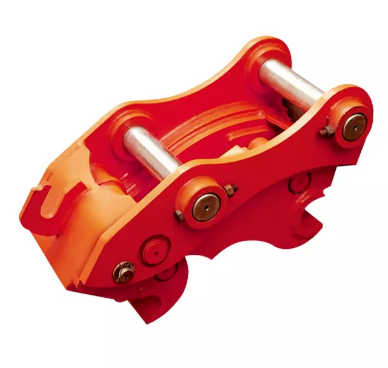
Attachments extend the versatility of an excavator. Whether you're digging trenches, demolishing structures, or moving materials, the right attachment can make the job easier and faster. Common attachments include:
● General Buckets: Used for digging, trenching, and material handling.
● Hydraulic Breakers: Used for breaking concrete or rock during demolition.
● Grapples: Ideal for lifting logs, scrap, or debris.
These attachments enhance the excavator’s utility, making it a key tool on a wide variety of job sites.
Types of Excavators and Their Applications
Mini Excavators
Mini excavators are compact machines designed for smaller projects, such as landscaping, residential work, and utility installations. They are ideal for tight spaces where larger machines can’t fit. Their size allows for ease of transport, and they are particularly useful for digging small trenches, post holes, and clearing light debris.
Crawler Excavators
Crawler excavators are the most common type of excavator used for heavy-duty tasks. Equipped with tracks, they provide excellent stability and traction on uneven or soft ground. These excavators are perfect for large construction projects, mining, and roadwork, where stability and lifting power are crucial.
Wheeled Excavators
Wheeled excavators are ideal for urban construction sites where mobility between job sites is necessary. These excavators are equipped with wheels, making them faster and more efficient when moving between locations. However, they are less stable on rough terrain compared to crawler models, so they are better suited for projects on paved roads or flat surfaces.
Long-Reach Excavators
Long-reach excavators have extended arms, allowing them to reach greater heights and depths than standard models. These machines are ideal for specialized tasks like dredging, demolition, and riverbank maintenance. Their extended reach allows them to work from a safe distance, making them useful for tasks like clearing debris or digging in hard-to-reach places.
Popular Excavator Uses Across Industries
Construction
Excavators are essential in the construction industry, where they are used for tasks like trenching, foundation digging, and site preparation. The versatility of excavators allows them to perform a wide range of tasks, including moving materials, clearing debris, and digging trenches for utilities.
Mining and Quarrying
In mining, excavators are used to move large amounts of earth, extract ores, and load materials into haul trucks. Their ability to handle bulk earthmoving makes them indispensable in quarries, where they help in extracting and transporting raw materials such as rock and stone.
Landscaping
For landscaping projects, mini excavators are perfect for grading, trenching, and digging. They are commonly used to create landscaping features like ponds, patios, and garden beds. Their ability to work in confined spaces also makes them ideal for residential projects where space is limited.
Agriculture
Excavators are widely used in agriculture for land clearing, trenching for irrigation systems, and maintaining ponds. Farmers often rely on excavators to remove rocks, trees, and stumps to prepare the land for planting. Excavators also help manage water flow by clearing debris from ponds and irrigation channels.
Municipal Works
Excavators are used in municipal works for tasks such as road maintenance, utility trenching, and drainage system repairs. They are invaluable for digging trenches for pipes, clearing ditches, and maintaining public infrastructure like parks and roadways.
Excavator Attachments That Expand Capabilities
General Buckets
The most common attachment for an excavator, buckets are used for digging, trenching, and material handling. They come in various sizes and types to suit different tasks. A general-purpose bucket is ideal for moving dirt and gravel, while a trenching bucket is designed for digging narrow trenches.
Hydraulic Breakers
Hydraulic breakers are powerful attachments used for demolition tasks. They are ideal for breaking up concrete, rock, or asphalt, making them a must-have for excavation jobs that involve removing structures or surfaces.
Grapples
Grapples are used for lifting and moving large debris, logs, and scrap materials. With their strong, claw-like design, grapples make it easier to handle heavy objects that would otherwise be difficult to lift or move.
Augers and Drilling Tools
Augers are essential for drilling post holes and foundation supports. These tools can dig deep, narrow holes with precision, making them ideal for utility installation or construction projects that require precise digging.
Tiltrotators
Tiltrotators are advanced attachments that allow for greater flexibility when digging. These attachments enable the excavator bucket or tool to tilt in multiple directions, improving precision and efficiency in tasks such as grading and material handling.
Choosing the Right Excavator for Your Job
Factors to Consider
Choosing the right excavator depends on several factors, including:
● Terrain: Is the site flat or uneven?
● Space: Do you have limited space for maneuvering?
● Project Duration: Is this a short-term or long-term project?
● Depth Requirements: Do you need to dig shallow or deep trenches?
Understanding these factors will help determine the correct excavator type for your project.
Excavator Size Classes
Excavators come in different sizes to match the scale of your project. From micro excavators (less than 1 ton) to ultra-heavy machines (over 45 tons), choosing the right size ensures optimal performance. A smaller excavator may be ideal for tight spaces, while larger machines are better for heavy-duty tasks.
Excavator Brands
Several trusted brands manufacture high-quality excavators. Leading names include Caterpillar, Komatsu, and JCB, each offering machines with specific features for different tasks. Consider factors such as durability, performance, and available support when choosing a brand.
Renting vs. Buying an Excavator
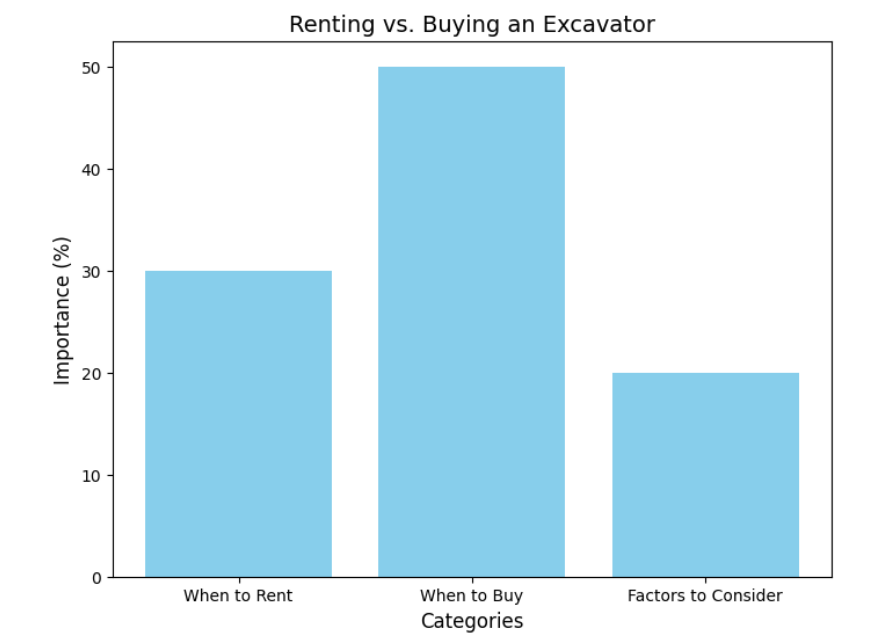
When to Rent
Renting an excavator is a practical choice for short-term projects, one-off jobs, or tasks that require specialized excavator attachments. It also helps reduce the upfront cost, allowing for flexibility when the machine is needed only occasionally. Additionally, renting gives you access to the latest equipment without worrying about maintenance or long-term storage.
When to Buy
Buying an excavator is more cost-effective for long-term or ongoing projects that require consistent use. Ownership ensures you have the right equipment readily available, particularly for large-scale or repetitive tasks. Over time, the initial cost of purchasing an excavator can be outweighed by savings on rental fees and increased productivity.
Factors to Consider
When deciding whether to rent or buy, consider factors such as project duration, frequency of use, and maintenance or storage costs. Renting offers flexibility, while buying provides long-term cost savings, especially when the excavator will be used frequently.
Factor | Renting | Buying |
Project Duration | Ideal for short-term or one-off jobs | Suitable for long-term or ongoing projects |
Flexibility | High flexibility in choosing equipment for specific tasks | Less flexibility, but ownership provides long-term control |
Cost | Lower upfront cost, but may incur high long-term costs | Higher upfront cost, but cost-effective for long-term use |
Maintenance Responsibility | Maintenance handled by the rental company | Maintenance responsibility falls on the owner |
Availability of Attachments | Specific attachments available as needed | Full control over attachments that suit your needs |
Storage | No storage costs | Storage space and additional costs for maintenance |
Maintaining Your Excavator for Optimal Performance
Daily Maintenance Tips
Regular maintenance is essential to ensure your excavator operates efficiently and lasts longer. Daily tasks include greasing joints to prevent wear, inspecting tracks for any damage or wear, and checking hydraulic systems for leaks or low fluid levels. These small steps can significantly reduce the risk of breakdowns and keep the machine running smoothly throughout the day.
Common Excavator Issues
Common issues that may arise with excavators include hydraulic leaks, track wear, and performance-related problems such as sluggish movement or overheating. Conducting regular inspections and addressing these issues early can prevent more severe damage, minimizing downtime and reducing costly repairs. Keeping an eye on these aspects ensures the machine performs at its best for longer periods.
Scheduled Servicing
Scheduled servicing is key to maintaining the excavator's overall health and performance. Always follow the manufacturer’s recommended maintenance schedule, which typically includes fluid changes, air filter replacements, and track inspections. Timely servicing helps avoid unexpected failures and ensures that the excavator stays in optimal working condition for its entire lifespan.
Conclusion
Excavators are powerful, versatile machines essential for various industries. Understanding their components, types, and uses helps you make informed decisions when purchasing or renting. Additionally, the right excavator attachments can significantly enhance functionality.
Whether in construction, agriculture, or mining, selecting the right excavator and attachment is crucial for improved productivity. With the right machine, you can streamline operations and tackle any task efficiently. For those seeking high-quality excavator attachments, YF Bucket offers solutions that enhance your excavator’s capabilities, ensuring optimal performance on every job.
FAQ
Q: What is an excavator used for?
A: An excavator is a versatile machine used for digging, lifting, and earthmoving tasks across industries like construction, mining, and agriculture. Excavator attachments enhance its ability to perform a wide range of tasks.
Q: What types of excavators are available?
A: Excavators come in various types, including mini, crawler, wheeled, and long-reach models. Each type is designed for specific tasks, from small-scale projects to heavy-duty earthmoving.
Q: How do excavator attachments improve functionality?
A: Excavator attachments, such as buckets, hydraulic breakers, and grapples, expand the capabilities of excavators. These attachments make the machine adaptable to different jobs like trenching, demolition, and material handling.
Q: How do I choose the right excavator for my project?
A: To choose the right excavator, consider factors like project size, terrain, depth requirements, and the types of tasks you'll be performing. Attachments like tiltrotators or augers can further enhance functionality.
Q: Should I rent or buy an excavator?
A: Renting is ideal for short-term projects, while buying makes sense for long-term or frequent use. Consider the cost of ownership, storage, and maintenance when making your decision.


