The Complete Guide to Excavator Bucket Capacity, Safety, and ProductivityIntroduction: Why Excavator Bucket Volume Matters More Than You ThinkHow much material can an excavator bucket really carry in one scoop? Many people assume it’s just a simple math problem—length × width × height—but in real jo
Image Source: pexelsYou want to choose the right excavator bucket for your machine and job. This decision impacts both safety and efficiency. When you use a bucket that matches your excavator weight and the material you plan to move, you improve productivity and reduce costs.Proper sizing means fewe
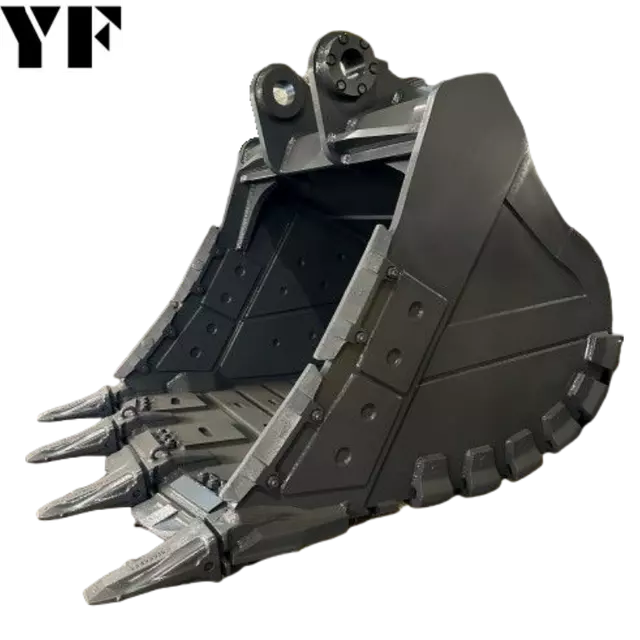
This guide explores 12–25 ton Excavator Buckets and attachments, helping contractors choose the right tools for mid-size to heavy excavators. It covers bucket types—digging, rock, grading, skeleton, frost, and specialty buckets—along with key attachments like ripper teeth, land rakes, and quick couplers. The article emphasizes matching bucket size, weight, and tooth system to soil type, project goals, and machine capacity to ensure optimal performance, fuel efficiency, and wear life. Design elements such as dual-radius shells, reinforced tines, and replaceable pins are highlighted. Practical tips on maintenance, inspection, and ROI considerations ensure contractors maximize productivity and long-term value.
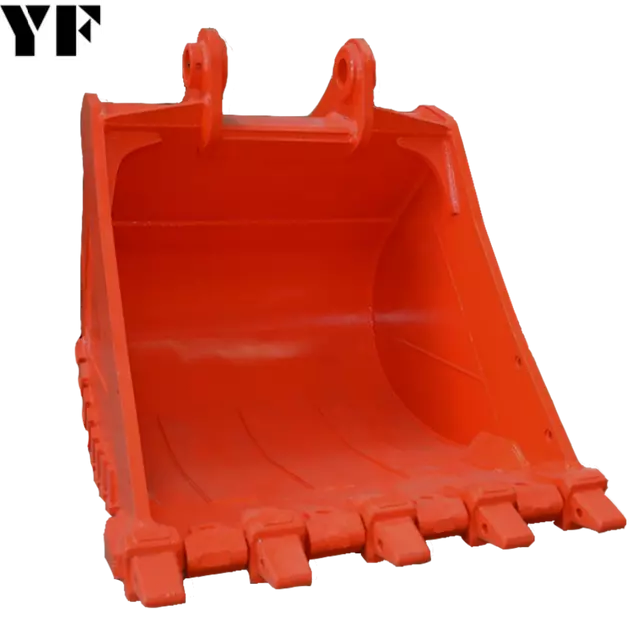
This guide helps you choose the right Excavator Bucket to maximize efficiency and reduce downtime. It covers understanding bucket types, determining project needs, and selecting the proper size for your excavator. Key points include inspecting structural integrity, confirming compatibility with couplers and hydraulics, and testing performance before full deployment. The article also highlights material hardness, bucket coatings, attachment options, and maintenance considerations. By matching the correct bucket type—digging, rock, grading, or multi-purpose—to your task, YF Bucket ensures safe operation, durability, and cost-effective performance across various excavation projects.
Excavator buckets endure heavy wear and harsh working conditions, making proper maintenance essential for longevity and efficiency. Key practices include regular cleaning to remove dirt and debris, frequent inspections of teeth, side cutters, and bucket shells, and consistent lubrication of pins and pivot points. Timely replacement of worn teeth and corrosion protection extend bucket life, while monitoring alignment and welding minor cracks prevent structural damage. Proper storage, tracking usage hours, and training operators on efficient digging techniques further optimize performance. Companies like YF Bucket provide durable, high-quality buckets, ensuring reliable operation and reduced maintenance costs on every job site.
The Complete Guide to Excavator Bucket Capacity, Safety, and ProductivityIntroduction: Why Excavator Bucket Volume Matters More Than You ThinkHow much material can an excavator bucket really carry in one scoop? Many people assume it’s just a simple math problem—length × width × height—but in real jo
Image Source: pexelsYou want to choose the right excavator bucket for your machine and job. This decision impacts both safety and efficiency. When you use a bucket that matches your excavator weight and the material you plan to move, you improve productivity and reduce costs.Proper sizing means fewe
This guide explores 12–25 ton Excavator Buckets and attachments, helping contractors choose the right tools for mid-size to heavy excavators. It covers bucket types—digging, rock, grading, skeleton, frost, and specialty buckets—along with key attachments like ripper teeth, land rakes, and quick couplers. The article emphasizes matching bucket size, weight, and tooth system to soil type, project goals, and machine capacity to ensure optimal performance, fuel efficiency, and wear life. Design elements such as dual-radius shells, reinforced tines, and replaceable pins are highlighted. Practical tips on maintenance, inspection, and ROI considerations ensure contractors maximize productivity and long-term value.
This guide helps you choose the right Excavator Bucket to maximize efficiency and reduce downtime. It covers understanding bucket types, determining project needs, and selecting the proper size for your excavator. Key points include inspecting structural integrity, confirming compatibility with couplers and hydraulics, and testing performance before full deployment. The article also highlights material hardness, bucket coatings, attachment options, and maintenance considerations. By matching the correct bucket type—digging, rock, grading, or multi-purpose—to your task, YF Bucket ensures safe operation, durability, and cost-effective performance across various excavation projects.
Excavator buckets endure heavy wear and harsh working conditions, making proper maintenance essential for longevity and efficiency. Key practices include regular cleaning to remove dirt and debris, frequent inspections of teeth, side cutters, and bucket shells, and consistent lubrication of pins and pivot points. Timely replacement of worn teeth and corrosion protection extend bucket life, while monitoring alignment and welding minor cracks prevent structural damage. Proper storage, tracking usage hours, and training operators on efficient digging techniques further optimize performance. Companies like YF Bucket provide durable, high-quality buckets, ensuring reliable operation and reduced maintenance costs on every job site.