Introduction
Is a digger really different from an Excavator, or just another name? Many projects slow down because the wrong machine gets chosen. In this article, we explain what sets an Excavator apart from a digger and show how design, power, and attachments affect real work.
What Is an Excavator?
Definition and Industry-Standard Meaning of an Excavator
An Excavator is a defined category of construction equipment used for digging, lifting, and earthmoving. In professional standards, it describes a machine built around hydraulics, rotation, and controlled excavation. People may casually say “digger,” but excavator is the term used in specifications and job planning. It signals capability, scale, and attachment compatibility. We rely on it to set clear expectations on site.
Why the term matters in practice:
● It aligns buyers, operators, and suppliers
● It reflects real performance and load capacity
● It avoids confusion during attachment selection
Key Structural Components of an Excavator
An excavator works because each component supports the others. The boom and stick control reach and depth. The bucket handles cutting and loading. The undercarriage keeps it stable. The rotating cab allows continuous movement around the machine. This layout speeds up digging and reduces repositioning. They help operators work efficiently in tight areas.

Core components customers should recognize:
● Boom and stick for digging control
● Bucket for material handling
● Rotating cab for workflow efficiency
● Undercarriage for balance on uneven ground
Component | Primary Role | Practical Benefit |
Boom & Stick | Reach and depth | Precise excavation |
Bucket | Digging and loading | Higher productivity |
Rotating Cab | 360° movement | Faster cycle times |
Undercarriage | Stability | Safer operation |
Role of Excavator Buckets in Performance
Buckets shape how an excavator performs every day. Their geometry affects penetration. Their steel quality affects wear life. Their reinforcement affects reliability under load.
YF Bucket Machinery designs heavy-duty excavator buckets for demanding environments such as construction and mining. They focus on durability and balance. When the bucket fits the task, the excavator works smoother and longer.
What bucket design influences most:
● Digging speed and fuel use
● Wear rate in abrasive material
● Overall excavator efficiency
What Is a Digger?
Types of Machines Commonly Called Diggers
“Digger” is an informal term used for many digging machines. It often refers to micro, mini, or midi units depending on size. These machines focus on lighter tasks and easier transport. They work well in landscaping and small construction. Their flexibility makes them common, but also vague. We often hear the term used differently across regions.
Machines people usually call diggers:
● Micro machines for tight access
● Mini machines for residential jobs
● Midi machines for light construction
Digger Type | Typical Power Level | Common Use |
Micro | Very low | Gardens, indoor access |
Mini | Low to medium | Utilities, landscaping |
Midi | Medium | Light site work |
Is a Digger the Same as an Excavator?
Every excavator can be called a digger, but not every digger meets excavator standards. Excavators offer more power, full rotation, and stronger attachment support. This difference matters when planning work or choosing buckets.
YF Bucket Machinery designs products specifically for excavators, where load and stress are higher. Clear terminology helps avoid underpowered setups.
Why customers should care:
● Correct attachment compatibility
● Accurate performance expectations
● Better safety and efficiency on site
Excavator vs. Digger: Key Differences Explained
Power, Size, and Digging Capability
When we compare an excavator to machines often called diggers, power is the first thing we notice. Excavators are engineered for deep excavation, heavy lifting, and continuous operation on demanding sites. They handle dense soil, rock, and large material volumes without losing stability.
Smaller machines labeled as diggers focus more on light-duty tasks and short cycles. They work well for shallow digging, but they reach limits quickly in tougher ground.
From a customer’s view, the difference shows up in daily work:
● Excavators maintain strong output over long shifts
● Diggers trade power for compact size and mobility
● Project scale often decides which machine fits better
Comparison Point | Excavator | Digger |
Digging depth | Deep and consistent | Shallow to moderate |
Lifting capacity | High | Limited |
Job intensity | Heavy-duty | Light to medium |
Design, Rotation, and Operating Efficiency
Design plays a big role in how efficiently a machine works. Excavators use an inward scooping motion, controlled by hydraulics, which allows precise digging and smooth material handling. Full 360-degree rotation lets operators dig and dump without moving the base. This improves safety and workflow on busy sites.
Many diggers lack full rotation, so they reposition more often. That extra movement slows progress and increases wear.
Operational advantages customers feel immediately:
● Fewer machine movements
● Better control in tight spaces
● More predictable cycle times

Attachments and Work Versatility
Attachments turn an excavator into a multi-task tool. Grab buckets and quick couplers allow fast switching between jobs, from digging to material handling.
YF Bucket Machinery designs excavator attachments to balance strength and flexibility. They support stable operation under load and reduce downtime during attachment changes. This versatility helps one excavator replace several smaller machines. It also keeps projects moving without delays.
Why attachment support matters:
● Faster task transitions
● Higher site efficiency
● Better use of one excavator
Choosing the Right Excavator for Your Project
Matching Excavator Size to Job Requirements
Excavators come in many sizes, and size choice affects everything. Smaller excavators fit restricted access areas and urban sites. Larger crawler excavators handle bulk excavation and heavy civil work.
Choosing too large increases cost and risk. Choosing too small slows progress and strains components. We always match size to job scope.
Key sizing factors customers consider:
● Available space on site
● Required digging depth
● Material hardness
Excavator Size | Typical Use |
Micro / Mini | Landscaping, utilities |
Midi | Light construction |
Crawler | Heavy excavation |
Buckets, Attachments, and Wear Parts Selection
Buckets, teeth, and bushings directly affect excavator efficiency. A strong bucket improves penetration and reduces cycle time. Quality teeth cut cleaner and use less fuel. Durable bushings keep movement smooth and reduce maintenance.
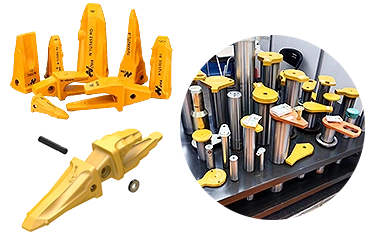
YF Bucket Machinery focuses on wear-resistant excavator buckets and parts for longer service life. Good components protect both machine and schedule.
What proper selection delivers:
● Lower downtime
● Consistent digging performance
● Longer component life
Cost, Maintenance, and Long-Term Value
An excavator is a long-term investment. Initial cost matters, but operating cost matters more over time. Fuel use, maintenance, and part replacement all add up. Durable buckets and reliable attachments reduce unplanned repairs. Over time, they improve total project value. Customers feel it in uptime and predictable costs.
Long-term value drivers:
● Strong excavator components
● Fewer interruptions on site
● Better return over the machine’s life
Conclusion
This article explains the difference between an excavator and a digger in practical terms for real projects. YF Bucket Machinery adds value through durable excavator buckets, versatile attachments, and reliable wear parts that improve efficiency and long-term performance.
FAQ
Q: What is an Excavator in construction?
A: An Excavator is a hydraulic machine used for digging, lifting, and heavy earthmoving tasks.
Q: Is a digger the same as an Excavator?
A: A digger is a general term, while an Excavator is a specific, more powerful machine.
Q: Why choose an Excavator over a digger?
A: An Excavator offers deeper digging, higher power, and better attachment support.
Q: How do attachments affect an Excavator?
A: Attachments allow an Excavator to handle digging, grabbing, and material handling efficiently.
Q: How do I select the right Excavator parts?
A: Choose Excavator buckets and wear parts based on material type and job intensity.


