
+86-18913476038

Views: 0 Author: Site Editor Publish Time: 2026-03-27 Origin: Site


Is your excavator buckets wearing out too fast?Choosing the wrong material can cost time and money.Steel or alloy, which one fits your job better?In this article, you will learn how each material affects performance, durability, and cost.
Understanding the materials inside an excavator bucket helps you choose the right one for your job. It is not just about strength. It is about wear life, repair cost, and daily performance. Most modern buckets use a combination of standard steel and alloy wear-resistant steel. They work together, not separately. Each material is placed where it performs best, which improves efficiency and durability in real working conditions.
Standard steel is the most commonly used material in an excavator bucket. It is often structural steel such as Q345, which offers a solid balance of strength and flexibility. Many manufacturers use it for the main body of the bucket because it is reliable and easy to process.
Standard steel is ideal for jobs where extreme wear is not the main concern. It performs well in general construction, trenching, and earthmoving. It also allows easier welding and repair, which reduces downtime on job sites.
It is widely used in bucket shells and structural frames
It handles moderate stress and impact without cracking easily
It is easier to cut, weld, and reshape during maintenance
It keeps the overall cost of the excavator bucket lower
Alloy or wear-resistant steel is used when the job becomes more demanding. It includes materials like NM400 or similar grades, which are designed to handle abrasion and repeated impact. These steels are harder than standard steel, yet they still maintain enough toughness to avoid brittle failure.
In real job conditions, this type of material becomes critical when working in rock, gravel, or quarry environments. It reduces wear on high-contact areas. It also extends the service life of the excavator bucket significantly.
Key characteristics include:
Higher surface hardness, which slows down abrasion
Strong impact resistance, useful in blasting or rocky terrain
Better fatigue resistance, especially under continuous loading
Reduced material loss over time, which lowers replacement frequency
Instead of using it everywhere, manufacturers apply it strategically. That helps control cost while still improving performance.
| Property | Alloy / Wear-Resistant Steel |
|---|---|
| Hardness | High |
| Wear Resistance | Excellent |
| Impact Resistance | High |
| Cost | Higher |
| Typical Use | Rock, quarry, heavy-duty |
An excavator bucket is not made from a single material. It is a combination of different steels, each placed in the right position. This design approach improves both strength and lifespan while keeping the bucket efficient.
Let’s break down the main components and their material roles:
Cutting Edge
This is the first part that contacts the ground. It usually uses wear-resistant steel. It must handle constant friction and impact, especially in rock or compacted soil.
Side Plates
These areas protect the bucket from lateral wear. They often use reinforced or alloy steel. It helps prevent thinning and structural damage over time.
Wear Plates (Bottom & Reinforcement Areas)
These plates are added to high-wear zones. They extend the life of the bucket shell. It reduces direct exposure of the base material.
Bucket Shell / Body
This is usually made from standard steel. It provides the main structure. It balances strength, flexibility, and cost.
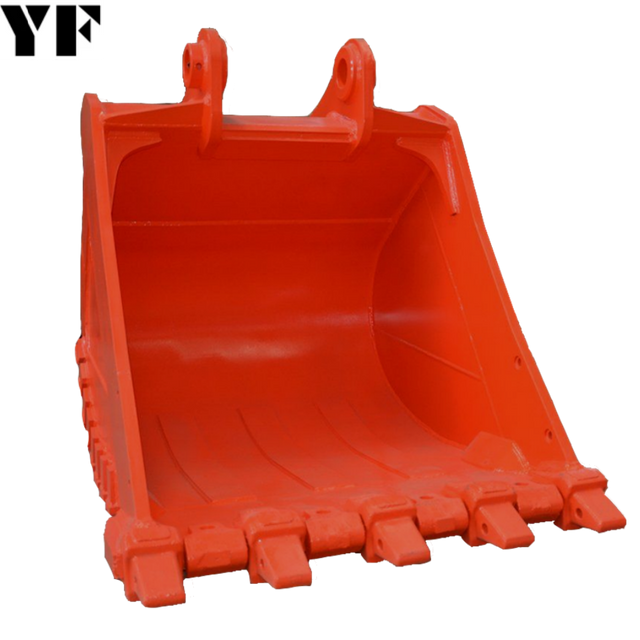
Choosing between steel and alloy in an excavator bucket is not just a technical decision. It directly affects how the bucket performs every day. We look at wear, strength, efficiency, and cost. Each factor plays a role in how long the bucket lasts and how much it really costs over time. Many modern designs, including YF Bucket heavy duty models, combine both materials to achieve better balance.
When we talk about durability, we are really talking about how fast the bucket wears out. Standard steel works well in low-abrasion conditions like soil or clay. It holds up fine when the ground is soft and does not constantly scrape the surface. However, once the job includes gravel or rock, wear becomes much faster.
Alloy or wear-resistant steel changes that situation. It slows down material loss in high-abrasion environments. It keeps edges sharper for longer. It also reduces how often you need to repair or replace parts of the excavator bucket.
Here is a clear comparison:
| Factor | Standard Steel Excavator Bucket | Alloy / Wear-Resistant Bucket |
|---|---|---|
| Wear Rate | Faster in abrasive conditions | Much slower |
| Maintenance Frequency | Higher | Lower |
| Service Life | Moderate | Long |
| Best Use | Soil, sand, light work | Rock, quarry, heavy work |
In YF Bucket heavy duty designs, wear plates and reinforced edges are often made from alloy materials. This helps protect key areas where damage happens first.
Strength is not just about being hard. It is about how the excavator bucket handles pressure, shock, and repeated loading. Standard steel provides good flexibility. It bends slightly instead of cracking, which can be useful in lighter jobs.
Alloy steel, however, offers stronger resistance to impact. It performs better when the bucket hits hard surfaces or handles heavy loads. It also resists deformation over time, especially in demanding applications.
It handles shock loads from rock digging more effectively
It reduces the risk of cracking under repeated stress
It keeps the bucket shape stable during heavy operations
It works better when combined with reinforced structures
Structural design also matters. Material alone is not enough. YF Bucket uses reinforced ribs, thicker plates, and stronger welds in heavy duty buckets. These features support the material and improve overall strength.
Weight affects everything. A heavier excavator bucket increases load on the machine. It may reduce fuel efficiency and slow down cycle times. Standard steel designs often rely on thickness for strength, which can add weight.
Alloy materials allow smarter design. They provide strength without needing excessive thickness everywhere. This helps keep the bucket lighter while still strong enough for tough jobs.
Lighter buckets improve fuel efficiency
Faster cycles increase daily productivity
Balanced weight reduces stress on the excavator arm
Optimized design improves overall machine performance
At first glance, standard steel buckets look more affordable. The initial purchase cost is lower. This makes them attractive for short-term projects or light-duty work. But cost is not just about the price you pay upfront.
Over time, wear, repairs, and downtime add up. Alloy or wear-resistant excavator buckets cost more at the beginning. However, they often save money in the long run because they last longer and need less maintenance.
Lower upfront cost does not always mean lower total cost
Frequent repairs increase labor and downtime expenses
Longer lifespan reduces replacement frequency
Better performance improves job efficiency
Choosing the right excavator bucket material is not complicated, but it requires understanding your job conditions. We need to look at the ground, the workload, and how often the machine runs. It is not only about material strength. It is about matching the bucket to real working conditions so it performs better and lasts longer.
The first step is to match the excavator bucket material to the ground conditions. Different environments create different types of wear. Some jobs cause light abrasion. Others create constant friction and impact. If we ignore this, the bucket will wear out too quickly.
Here is a simple way to match material to conditions:
Soft soil, clay, sand
These environments create low abrasion. Standard steel works well here. It is cost-effective and easy to maintain. The excavator bucket does not need extra wear protection in most cases.
Mixed ground, gravel, compacted soil
These conditions increase friction and pressure. Reinforced steel becomes a better choice. It improves durability without making the bucket too expensive. It also reduces wear on key areas.
Rock, quarry, demolition
These are high-impact, high-abrasion environments. Alloy or wear-resistant steel is necessary. It protects the cutting edge and wear zones. It also extends the life of the excavator bucket significantly.
Job type also matters. Two sites may have similar soil, but different working styles. This changes how the excavator bucket performs. We need to look at how the bucket is used, not just what it digs.
Different applications require different material strategies:
Construction, trenching, landscaping
These jobs are usually moderate. They involve softer materials and controlled digging. A standard or lightly reinforced excavator bucket is often enough.
Quarrying, mining, blasting
These are aggressive environments. They involve broken rock and continuous loading. Alloy materials and reinforced structures become essential.
Recycling, demolition, heavy loading
These jobs involve mixed debris, sharp materials, and repeated impact. Buckets need both strength and wear resistance. Material choice must support long-term durability.
Instead of focusing only on material, think about how the bucket interacts with the material every day. That is where performance really comes from.
Work intensity is often overlooked, but it has a big impact. Two machines can use the same excavator bucket. One works 4 hours a day. The other runs continuously. The wear rate will be completely different.
We need to consider how often and how hard the bucket is used:
Light-duty excavation
Occasional use, softer materials. Standard steel performs well. Maintenance is simple and low-cost.
Medium-duty operation
Regular use, mixed materials. Reinforced steel helps extend service life. It reduces wear in high-contact areas.
Heavy-duty continuous operation
Long working hours, harsh materials. Alloy or wear-resistant buckets are required. They reduce downtime and improve reliability.
Here is a quick breakdown:
| Work Intensity | Recommended Bucket Type | Key Benefit |
|---|---|---|
| Light-duty | Standard excavator bucket | Lower cost, easy repair |
| Medium-duty | Reinforced bucket | Balanced performance |
| Heavy-duty continuous | Alloy heavy duty bucket | Maximum durability, less downtime |
YF Bucket offers customization for these different levels. It allows users to match the bucket design to their workload, not just the machine size.
Material choice is only one part of the solution. Customization plays a major role in improving excavator bucket performance. A well-designed bucket uses both the right material and the right structure.
Common customization options include:
Reinforced edges and wear strips
These protect high-wear areas. They extend the life of the cutting edge and bottom plates. It reduces direct contact with abrasive materials.
Side cutters and protection plates
These improve penetration and protect side walls. They are especially useful in rock and demolition work.
Adapter and tooth configurations
Different teeth types affect digging efficiency. They also influence wear patterns. Choosing the right configuration improves performance.
Machine-specific design adjustments
Bucket width, capacity, and pin size can be customized. This ensures proper fit and better balance during operation.
Instead of using a standard solution, many users prefer tailored designs. YF Bucket provides this flexibility. It allows customers to adjust material distribution, reinforcement layout, and structural design based on actual job requirements.
When customization is done correctly, the excavator bucket becomes more efficient. It lasts longer. It also performs better under real working conditions.
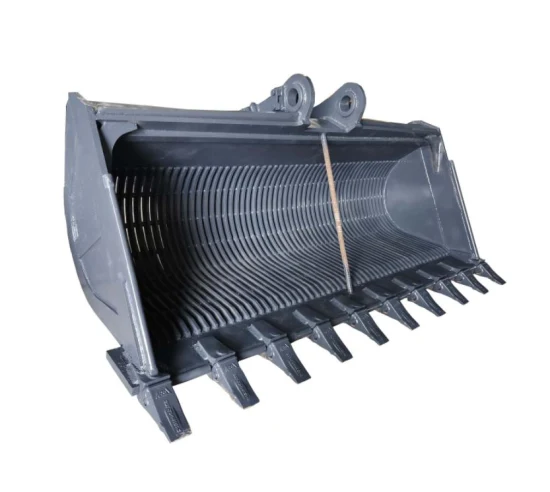
Material selection has a direct effect on how an excavator bucket performs in real working conditions. It influences how often the bucket needs repair, how efficiently it digs, and how long it can stay in service. We often focus on size or capacity first, but material determines long-term reliability. When the right material is used in the right place, the bucket performs more consistently and requires less intervention during operation.
Downtime often comes from wear, not sudden failure. When an excavator bucket wears too quickly, edges become blunt and surfaces thin out. This leads to frequent repairs, which interrupts workflow and increases cost. Better materials help slow down this process. Wear-resistant steel in key areas protects against abrasion, especially on the cutting edge and bottom plates.
Standard steel still plays an important role, especially in structural areas where flexibility is needed. However, combining it with stronger materials in high-stress zones improves overall durability. This reduces maintenance frequency and keeps the machine running longer without interruption. In many YF Bucket heavy duty designs, this combination is used to extend service intervals and improve operational stability.
Productivity depends on how smoothly the excavator bucket interacts with the ground. When materials wear quickly, the bucket loses its original shape. This makes digging harder and increases resistance. As a result, the machine consumes more fuel and takes longer to complete each cycle.
When wear-resistant materials are used, the bucket maintains its edge and structure for a longer time. This allows better penetration into the material and smoother loading. The machine works more efficiently, and cycle times remain stable even after extended use. YF Bucket applies this approach in its heavy duty buckets by combining strong base materials and reinforced wear zones, which helps maintain consistent performance across demanding tasks.
In harsh environments such as quarrying or demolition, the excavator bucket is exposed to constant abrasion and repeated impact. Standard materials tend to wear down quickly under these conditions. Surfaces become thinner, and structural strength decreases over time. This leads to earlier replacement and higher long-term cost.
Alloy and wear-resistant materials are designed to handle these challenges. They resist abrasion, absorb impact, and maintain structural integrity over long periods. This allows the bucket to perform reliably even in continuous heavy-duty operations. YF Bucket heavy duty models focus on using these materials in critical areas, combined with reinforced structures, which helps extend the working life of the bucket significantly.
| Performance Factor | Standard Steel Bucket | Alloy / Wear-Resistant Bucket |
|---|---|---|
| Maintenance Frequency | Higher over time | Lower and more stable |
| Digging Efficiency | Decreases as wear increases | Remains consistent |
| Abrasion Resistance | Moderate | High |
| Impact Resistance | Medium | Strong |
| Service Life | Shorter in harsh conditions | Longer and more reliable |
Choosing the right excavator bucket material depends on job conditions and workload. Steel works for light tasks, while alloy improves durability in harsh environments. YF Bucket combines strong materials and reinforced designs to deliver reliable performance, longer lifespan, and better value for demanding excavation jobs.
A: It depends on the job. An excavator bucket uses steel for light work and alloy for heavy conditions.
A: Alloy improves wear resistance, so the excavator bucket lasts longer in rock or quarry work.
A: Stronger materials reduce wear, helping the excavator bucket stay in service longer.
A: Yes, steel costs less upfront, but an excavator bucket may need more repairs over time.
A: Yes, YF Bucket offers custom excavator bucket designs to match different machines and jobs.


