Introduction
Are you aware that the right excavator bucket can significantly enhance your project efficiency? Excavator buckets are essential tools in construction, impacting productivity and performance. In this article, we'll explore the top seven excavator bucket manufacturers in the USA, highlighting their unique offerings and innovations.
Top Excavator Bucket Manufacturers in the USA
YF Bucket: Overview and Product Range
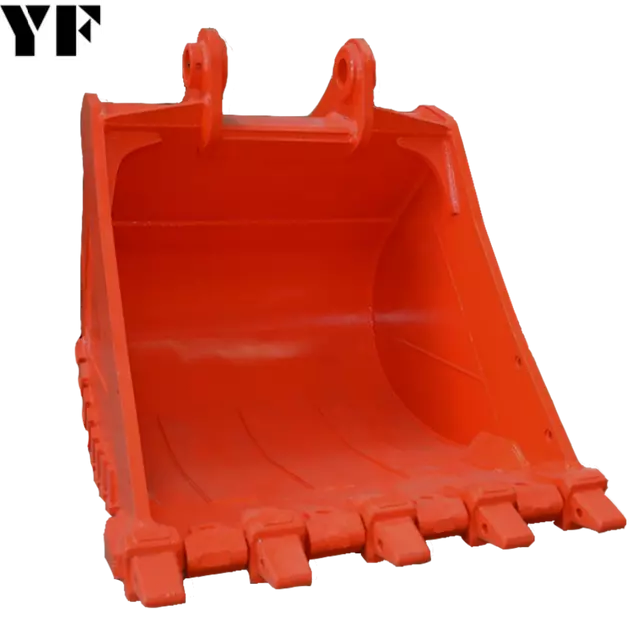
Xuzhou YF Bucket Machinery Co., Ltd., established in 2002 and based in Xuzhou, Jiangsu, China, specializes in the development, design, and manufacture of excavator buckets and related accessories. With extensive experience in the excavator aftermarket, YF Bucket serves customers across Europe, America, Southeast Asia, and the Middle East. The company emphasizes competitive pricing, strict quality control, fast delivery, and professional after-sales support, making it a reliable supplier for a wide range of excavator working conditions and models.
Product Range:
Excavator Buckets: Including rock buckets, heavy duty buckets, standard buckets, skeleton buckets, mini buckets, clean buckets, loader buckets, and screening buckets.
Excavator Attachments: Such as grab buckets, quick couplers, and rippers.
Craig Manufacturing: Reputation and Innovations
Craig Manufacturing has been a family-owned company since 1946, located in Ethridge, Tennessee. They are well-regarded for their innovative designs and custom hydraulic solutions. Their extensive in-house production process ensures high standards of quality and customization.
Product Range:
Excavator Buckets: General-purpose to severe-duty options.
Thumbs: Both hydraulic and mechanical for enhanced handling.
Grapples: Ideal for sorting bulky materials.
Quick Couplers: Promote rapid attachment changes.
Snow Removal Equipment: Specialized tools for winter conditions.
Rockland Manufacturing: Custom Solutions and Quality
Established in 1953 in Bedford, Pennsylvania, Rockland Manufacturing is known for its heavy-duty attachments tailored for construction and demolition. Their engineering prowess is evident in their ability to create custom solutions that meet specific job site challenges.
Product Range:
Excavator Buckets: Includes trenching and severe-duty rock buckets.
Thumbs: Hydraulic and mechanical options available.
Grapples: Effective for demolition and forestry work.
Quick Couplers: Minimize downtime during tool changes.
Dozer and Loader Attachments: Rakes, blades, and more.
ESCO Corporation: Focus on High-Wear Applications
Founded in 1913 and based in Portland, Oregon, ESCO Corporation specializes in wear parts for demanding applications like mining and demolition. Their products are engineered for durability and longevity, making them a preferred choice for harsh job sites.
Product Range:
Excavator Buckets: Designed for abrasive materials like rock and clay.
Tooth Systems: Ultralok® for quick changes and secure grip.
Rippers and Blades: Heavy-duty tools for tough environments.
Dragline and Mining Attachments: Built for extreme conditions.
Amulet Manufacturing: Fast Shipping and Compatibility
Operating out of Rathdrum, Idaho, Amulet Manufacturing has been in business since 1983. They focus on compatibility and ease of use, making their products popular among small to mid-sized contractors.
Product Range:
Thumbs: Mechanical and hydraulic for various applications.
Excavator Buckets: Options for trenching and digging.
Quick Couplers: Simplified designs for quick attachment changes.
Rakes and Grapples: Ideal for land clearing and debris handling.
Werk-Brau Co., Inc.: Reliability and Support
Founded in 1947 in Findlay, Ohio, Werk-Brau Co., Inc. is respected for its reliable attachments and strong customer support. They focus on building equipment that withstands the rigors of daily use.
Product Range:
Excavator Buckets: Suitable for trenching and heavy-duty digging.
Rakes and Rippers: Effective for land clearing and frost removal.
Thumbs: Hydraulic and mechanical models for better handling.
Quick Couplers: Enhance versatility without additional tools.
Hensley Industries: Durability and Performance
Hensley Industries, based in Dallas, Texas, has been a leading manufacturer since 1947. They are known for their ground-engaging tools (G.E.T.) and attachments designed for high-performance applications in construction and mining.
Product Range:
Excavator Buckets: Heavy-duty and extreme-duty options available.
Thumbs: Enhance material handling capabilities.
Grapples: For sorting and moving bulky materials.
Quick Couplers: Facilitate rapid attachment changes.
Rippers and Rakes: Designed for demanding tasks.
Key Features of Excavator Buckets
Types of Excavator Buckets
Excavator buckets come in various types, each designed for specific tasks. Understanding these types helps in selecting the right bucket for your project. Here are some common types:
General-Purpose Buckets: Ideal for a variety of tasks like digging, loading, and moving material.
Trenching Buckets: Narrower and deeper, perfect for digging trenches for utilities or foundations.
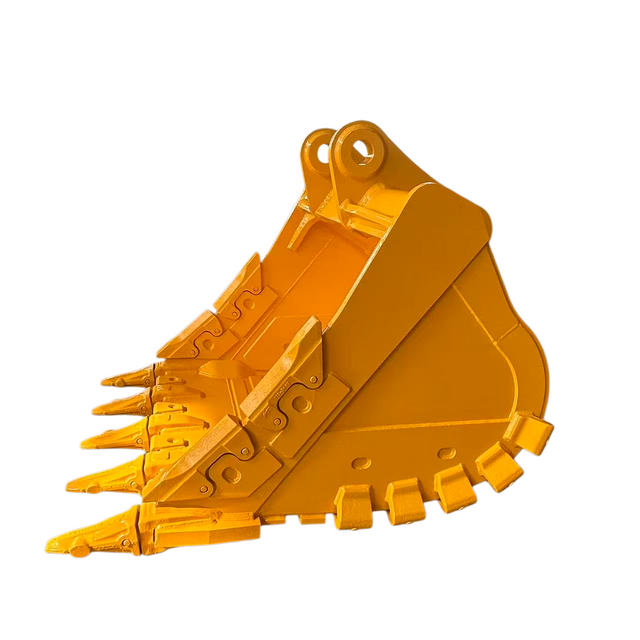
Rock Buckets: Reinforced to handle tough materials, suitable for mining and heavy-duty operations.
Ditching Buckets: Designed for creating ditches or drainage, featuring a wider scoop.
Tilt Buckets: Allow for angled digging, enhancing versatility for grading and leveling tasks.
Materials Used in Bucket Construction
The durability of excavator buckets largely depends on the materials used. Common materials include:
High-Strength Steel: Offers excellent durability and resistance to wear.
Abrasion-Resistant Steel: Designed for heavy-duty applications, it withstands harsh conditions.
Composite Materials: Lightweight yet strong, these materials help reduce overall machine weight without sacrificing performance.
Bucket Sizes and Compatibility with Excavators
Excavator buckets come in various sizes to accommodate different excavator models and job requirements. It's crucial to ensure compatibility for optimal performance. Consider these factors:
Excavator Size: Match the bucket size to the excavator’s operating weight and hydraulic capacity.
Bucket Volume: Larger buckets increase productivity but may affect the machine's stability.
Attachment Compatibility: Check if the bucket can be easily attached to your excavator model.
Specialized Attachments and Customization Options
Many manufacturers offer specialized attachments for excavator buckets, enhancing their functionality. Some popular options include:
Teeth and Edges: Different tooth designs improve digging efficiency and material handling.
Quick Couplers: Allow for rapid attachment changes, increasing machine versatility.
Hydraulic Thumbs: Enable better grasping of irregular materials, enhancing handling capabilities.
Custom Buckets: Many manufacturers provide options for customized buckets tailored to specific project needs, allowing for unique designs and features.
Choosing the Right Excavator Bucket
Factors to Consider When Selecting a Bucket
Selecting the right excavator bucket is crucial for maximizing efficiency and productivity on the job site. Here are some key factors to keep in mind:
Job Type: Consider the primary tasks you'll perform. Different buckets are designed for specific functions, like digging, grading, or lifting. For example, a general-purpose bucket might suffice for routine tasks, while a trenching bucket is better for digging narrow trenches.
Material Compatibility: Think about the materials you'll be working with. If you're dealing with tough materials like rock or clay, you’ll need a heavy-duty rock bucket made from abrasion-resistant steel. Conversely, softer materials may require a different bucket type.
Excavator Size: Ensure the bucket is compatible with your excavator's size and hydraulic capacity. A bucket that is too large can strain the machine, while one that is too small may not be efficient.
Attachment System: Check the attachment system of the bucket. Quick couplers can enhance efficiency by allowing for rapid tool changes, which can save time on the job site.
Common Applications for Different Bucket Types
Understanding the applications of various bucket types can help you make an informed choice:
General-Purpose Buckets: Suitable for a wide range of tasks such as digging, loading, and moving material. Ideal for general construction and landscaping.
Trenching Buckets: Narrow and deep, these buckets are perfect for digging trenches for utilities or foundations.
Rock Buckets: Reinforced to handle abrasive materials, these are ideal for mining and heavy-duty operations.
Ditching Buckets: Designed for creating ditches or drainage, featuring a wider scoop for efficient material removal.
Tilt Buckets: Allow for angled digging, enhancing versatility for grading and leveling tasks.
Cost Considerations and Budgeting for Excavator Buckets
When budgeting for an excavator bucket, consider the following:
Initial Cost: The price of the bucket can vary significantly based on size, material, and brand. High-quality, specialized buckets may come at a premium but can save money in the long run by reducing wear and tear on your excavator.
Long-Term Value: Think about the bucket's lifespan and maintenance costs. Investing in a durable bucket may have a higher upfront cost but will likely result in fewer replacements and repairs over time.
Financing Options: Many manufacturers offer financing plans or leasing options, which can help manage costs. Explore these options if you’re working with a limited budget.
Total Cost of Ownership: Consider not just the purchase price but also factors like maintenance, repairs, and potential downtime. A reliable bucket can reduce overall costs by minimizing these factors.
Maintenance and Care for Excavator Buckets
Routine Maintenance Tips
Proper maintenance of excavator buckets is essential for ensuring their longevity and performance. Regular inspections and maintenance can prevent costly repairs and downtime. Here are some effective routine maintenance tips:
Inspect Regularly: Check for cracks, wear, and loose bolts. Regular inspections help identify issues before they become significant problems.
Clean After Use: Remove dirt, mud, and debris. This prevents corrosion and wear on the bucket’s surface.
Lubricate Moving Parts: Regularly lubricate pivot points and other moving parts to ensure smooth operation and reduce friction.
Check for Wear: Monitor the bucket’s teeth and edges. Replace them as needed to maintain optimal performance.
Store Properly: When not in use, store buckets in a dry, sheltered area to protect them from the elements.
Signs of Wear and When to Replace
Recognizing when it’s time to replace an excavator bucket is crucial for maintaining productivity. Here are some signs of wear to watch for:
Visible Cracks: Cracks in the bucket body or welds indicate serious damage that can compromise strength.
Excessive Wear on Edges: If the cutting edges are worn down significantly, it can affect digging efficiency.
Deformation: Any bending or warping of the bucket shape can hinder performance.
Increased Operating Costs: If you notice higher fuel consumption or reduced productivity, it might be time for a replacement.
Regular monitoring can help you decide when to replace your bucket, ensuring your excavator remains efficient and effective.
Best Practices for Extending Bucket Lifespan
To maximize the lifespan of your excavator bucket, consider these best practices:
Use Appropriate Buckets for Tasks: Match the bucket type to the job. Using the wrong bucket can lead to premature wear.
Avoid Overloading: Do not exceed the bucket's load capacity. Overloading can cause structural damage.
Practice Smooth Operation: Train operators to use smooth movements. Sudden jerks can stress the bucket and lead to damage.
Implement a Maintenance Schedule: Establish a routine maintenance schedule. Regular upkeep can significantly extend the life of your equipment.
By following these practices, you can help ensure your excavator buckets remain in good condition, providing reliable service for years to come.
Innovations in Excavator Bucket Technology
Advancements in Materials and Design
Excavator bucket technology has seen significant advancements in materials and design, enhancing performance and durability. Manufacturers are increasingly using high-strength steel and abrasion-resistant materials. These materials ensure buckets can withstand harsh conditions and heavy usage.
For instance, composite materials are becoming popular. They are lightweight yet robust, helping to reduce the overall weight of the excavator without sacrificing strength. This allows for better fuel efficiency and improved machine performance.
Additionally, advancements in bucket design, such as improved shapes and cutting edges, enhance digging efficiency. Streamlined designs reduce drag, allowing buckets to penetrate the ground more easily. This innovation leads to quicker cycle times and increased productivity on job sites.
Integration of Smart Technology and Sensors
The integration of smart technology and sensors into excavator buckets is revolutionizing the industry. Many modern buckets feature built-in sensors that provide real-time data on performance metrics. This data helps operators monitor wear and tear, ensuring timely maintenance and reducing downtime.
For example, some buckets are equipped with load sensors. These sensors gauge the weight of the material being handled, allowing operators to optimize their load for efficiency. This not only improves productivity but also protects the excavator from overloading.
Moreover, advanced telematics systems enable remote monitoring of bucket performance. This technology allows fleet managers to track usage patterns and make data-driven decisions regarding equipment maintenance and replacement.
Environmental Considerations and Sustainable Practices
As the construction industry shifts towards sustainability, excavator bucket manufacturers are adopting eco-friendly practices. This includes using recyclable materials in bucket production and implementing energy-efficient manufacturing processes.
For instance, some companies are focusing on reducing emissions associated with excavator operations. By designing lighter buckets, they help improve fuel efficiency, leading to lower carbon footprints on job sites.
Additionally, manufacturers are exploring hybrid and electric options for excavator attachments. These innovations not only meet environmental regulations but also appeal to environmentally conscious contractors looking to reduce their impact on the planet.
Conclusion
This article highlights the top excavator bucket manufacturers in the USA. Each company offers unique products, from general-purpose buckets to specialized attachments, ensuring they meet various project needs. When selecting an excavator bucket, consider factors like job type, material compatibility, and excavator size. Explore innovative options available from leading manufacturers to enhance your project's efficiency and performance. For quality excavator buckets, consider YF Bucket, which provides reliable solutions tailored to your needs.
FAQ
Q: What is an excavator bucket?
A: An excavator bucket is a heavy equipment attachment used for digging, loading, and moving materials on construction sites.
Q: How do I choose the right excavator bucket?
A: To choose the right excavator bucket, consider the job type, material compatibility, excavator size, and attachment system.
Q: Why should I invest in a high-quality excavator bucket?
A: Investing in a high-quality excavator bucket ensures durability, reduces maintenance costs, and enhances overall productivity on the job site.
Q: What are the common applications for different excavator bucket types?
A: Different excavator bucket types are used for specific tasks, such as general-purpose buckets for loading and trenching buckets for digging narrow trenches.
Q: How can I extend the lifespan of my excavator bucket?
A: To extend the lifespan of your excavator bucket, use appropriate buckets for tasks, avoid overloading, and implement a regular maintenance schedule.


