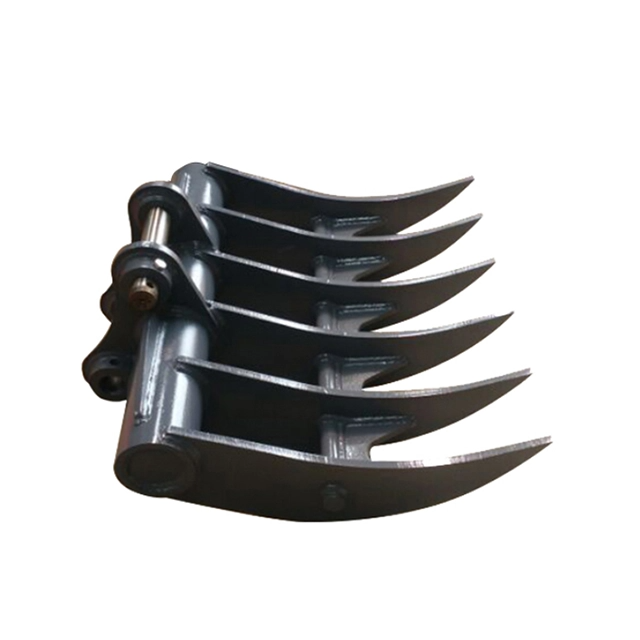
Efficient land clearing is the backbone of any successful construction or agricultural project. If you are operating heavy machinery, you know that the right attachment makes the difference between a job finished in hours versus days. Excavator rakes stand out as one of the most versatile tools in a fleet. They aren't just for moving leaves; they are engineered for deep ripping, heavy debris management, and soil preparation. In this guide, we explore how these attachments transform your machine's capabilities.
Understanding the Core Role of Excavator Rakes in Modern Land Clearing
When we talk about land clearing, we mean the removal of trees, stumps, brush, and rocks. Standard buckets often struggle here because they scoop up too much soil, increasing transport costs and complicating disposal. Excavator rakes solve this by allowing soil to sift through their tines while retaining the bulky waste.
These tools are built from high strength steel to withstand the immense breakout forces of modern excavators. Whether you are clearing a residential lot or preparing a massive industrial site, they provide the precision and power needed. They act like a giant comb for the earth, ensuring that only the unwanted material is removed. By reducing the "dirt-to-debris" ratio, they directly improve project profitability.
Why Efficiency Matters in Land Clearing
Time is money. A specialized excavator rake allows an operator to clear larger areas with fewer passes. We see professional contractors moving away from general-purpose buckets toward these specialized tines because they minimize ground disturbance. This is crucial for environmental compliance and prevents unnecessary erosion on the job site.
Comprehensive Types of Excavator Rakes for Specific Applications
Not all clearing tasks are equal. Choosing the right excavator rake depends on the material you are handling and the size of your machine. Manufacturers have developed specific designs to handle everything from light brush to massive boulders.
Rake Type
Primary Material
Key Feature
Best For
Root Rake
Roots and Small Stumps
Long, curved tines
Forestry and Agricultural clearing
Rock Rake
Stones and Boulders
Reinforced tines, tight spacing
Quarry work and site prep
Heavy Duty Rake
Large debris, logs
Thick high strength steel
Industrial demolition
Clearing Rake
Mixed vegetation
Wide profile
Fast surface clearing
The Mechanics of Design
Most excavator rakes feature a curved profile. This curve is intentional; it helps the operator "roll" the debris into a pile. When using a heavy duty model, the tines are often equipped with replaceable tips. This ensures that even when working in abrasive environments, the core structure remains protected.
Material Science: High Strength Steel
The longevity of an excavator rake depends on its composition. We prioritize high strength steel (like NM400 or Hardox equivalents) because it resists bending under high torque. If you are performing deep ripping to pull up buried stumps, the stress on the tines is enormous. Inferior steel will fail, leading to costly downtime.
The Technical Superiority of Heavy Duty and Rock Rakes
When the terrain gets tough, standard equipment fails. This is where heavy duty designs come into play. These aren't just larger versions of standard rakes; they feature structural reinforcements that allow them to function in extreme conditions.
Engineering for Extreme Durability
Heavy duty rakes utilize thicker base plates and reinforced gussets. They are designed to handle the full hydraulic pressure of the excavator without deforming. We often see these used in "primary clearing" phases where the machine encounters unknown underground obstacles.
Wear Resistant Properties: The leading edges are usually made of wear resistant materials. This is vital when working in sandy or rocky soils that act like sandpaper against the metal.
Tine Spacing: In a rock rake, the tines are spaced closer together. This prevents smaller stones from slipping through, making it an ideal tool for "rock picking" before grading.
The Power of Deep Ripping
Deep ripping is a technique used to break up compacted soil or dislodge deep-seated roots. A specialized excavator rake with long, pointed tines can penetrate several feet into the ground. It acts like a subsoiler but with the added benefit of being able to grab and move what it uncovers.
Penetration: The tines slice through the earth, severing lateral roots.
Extraction: The operator uses the thumb (if equipped) to pull the loosened material out.
Aeration: This process also helps aerate the soil, which is beneficial if the land is being cleared for agricultural use.
Many operators ask why they can't just use a standard skeleton bucket. While skeleton buckets are useful, excavator rakes offer distinct advantages in speed and specialized movement.
Better Visibility and Control
Because a rake doesn't have sides like a bucket, the operator has a clearer view of the tines. This allows for surgical precision when working around existing utilities or trees that need to remain. You can see exactly where the tines are entering the soil, which is essential for deep ripping without damaging underground infrastructure.
Reducing Transport Costs
When you clear a site with a bucket, you often end up with 30-40% soil in your debris piles. This soil adds weight and volume. Using an excavator rake ensures the soil stays on the ground. When the dump trucks arrive, they are filled with 100% debris, reducing the number of trips required to empty the site.
Handling "Vines and Tangled Messes"
Anyone who has cleared brush knows how difficult it is to get it out of a bucket. Debris gets stuck and requires manual intervention. The open design of excavator rakes allows the operator to shake the attachment, letting loose dirt fall away while keeping the tangled vegetation hooked.
Key Uses in Forestry and Agricultural Land Management
Forestry is perhaps the most demanding environment for any attachment. The sheer volume of organic matter requires a tool that can "comb" through the topsoil effectively.
Clearing Undergrowth
Small trees and invasive species can choke a forest. A high strength steel rake can sweep through the undergrowth, pulling out the entire plant—roots and all—to prevent regrowth. This is much more effective than mulching, which leaves the root systems intact.
Preparing Fence Lines
Farmers use excavator rakes to clear long stretches of land for fencing. The ability to pull out old fence posts, tangled wire, and thick brush in one motion makes it the preferred tool. They often choose a wear resistant model because fence lines are frequently located in unworked, rocky soil.
Managing Log Piles
While not a dedicated log grapple, a rake with a hydraulic thumb is incredibly effective at stacking logs. The tines provide multiple points of contact, ensuring a secure grip on irregular shapes. We find that this versatility reduces the need for multiple machines on small to mid-sized farm projects.
How to Choose the Right Excavator Rake for Your Machine
Selecting an attachment involves more than just matching the pin size. You must consider the weight of the rake and the hydraulic capacity of your excavator.
Matching Rake Width to Machine Size
If the rake is too wide, the machine won't have the "bite" force needed for deep ripping. If it's too narrow, you'll spend too much time on simple surface clearing.
Mini Excavators (1-6 Tons): Usually require lightweight, high strength steel rakes that focus on brush clearing.
Mid-Size (10-20 Tons): These machines can handle heavy duty rakes for demolition and serious land clearing.
Large Excavators (25+ Tons): These require massive, wear resistant rakes designed for primary forest clearing and large-scale site prep.
The Importance of Tine Count
More tines mean a cleaner finish, but less penetration power. If you are focusing on rock removal, you want a higher tine count with narrow spacing. If you are focusing on pulling out heavy stumps, fewer, thicker tines are better for concentrating the machine's power.
Compatibility with Quick Couplers
In modern job sites, we change attachments frequently. Ensure your excavator rake is compatible with your quick-hitch system. A poorly fitting rake can lead to "pin slop," which accelerates wear on the machine's arm and the attachment itself.
Maintenance and Longevity of High-Strength Attachments
Even a heavy duty tool needs care. Because these rakes spend their lives buried in dirt and rock, they are subject to constant friction and impact.
Daily Inspections
We recommend checking for cracks in the welds daily. The vibration from deep ripping can stress even the best high strength steel. Look closely at the "root" of the tines where they meet the main beam.
Managing Wear and Tear
Tines will eventually dull. A dull rake requires more hydraulic pressure to penetrate the soil, which wastes fuel.
Hard-facing: Many professionals apply a layer of weld-on hard-facing to the tips of the tines. This creates a sacrificial wear resistant layer.
Replaceable Tips: Some high-end excavator rakes come with replaceable teeth, similar to those found on buckets. These are much easier to change than welding on new metal.
Storage Tips
When not in use, keep the rake off the ground. Moisture in the soil can lead to surface rust, which, over years, can pit the steel. A simple coat of paint or even a light spray of oil can preserve the attachment during the off-season.
Safety Considerations During Excavator Rake Operations
Safety is paramount when moving large volumes of debris. The nature of a rake means that material can sometimes shift or fall through the tines if not handled correctly.
Dealing with "Spring-Back"
When clearing brush, branches can get caught and tensioned. When the rake releases, these branches can "spring back" toward the cab. Operators should always use a machine equipped with a FOPS (Falling Object Protective Structure) and a front screen.
Stability on Slopes
Using a heavy duty rake can shift the machine's center of gravity, especially when it's fully loaded with wet debris. We advise operators to keep the load low to the ground while traveling. Never swing a heavy load of rock or logs uphill, as it increases the risk of a tip-over.
Underground Hazards
Before starting any deep ripping, always call for utility locates. The tines of an excavator rake are designed to slice through roots, but they will just as easily slice through gas lines or fiber optic cables.
Conclusion: Investing in Productivity
The excavator rake is more than just an attachment; it is a productivity multiplier. By choosing a model made of high strength steel and designed for your specific needs—whether it's rock management or deep ripping—you ensure that your land clearing projects are completed efficiently and safely. These tools reduce waste, save on fuel, and protect your machine from unnecessary strain.
When you look at the total cost of ownership, a heavy duty, wear resistant rake pays for itself in just a few projects through saved transport fees and reduced labor time. It is the definitive choice for any serious land clearing professional.
FAQ: Common Questions About Excavator Rakes
Q: Can I use an excavator rake for demolition? A: Yes, specifically heavy duty models. They are excellent for pulling down wooden structures and separating masonry from wood. However, avoid using them on heavy reinforced concrete which might snap the tines.
Q: How do I know if my rake is made of high strength steel? A: Most reputable manufacturers provide material certifications. Look for terms like "Q355B" for standard work or "NM400/500" for wear resistant and heavy duty applications.
Q: Why use a rake instead of a thumb? A: They actually work best together. The rake provides the base for "combing" the ground, while the thumb allows you to "grasp" the debris you’ve gathered.
Q: Is deep ripping bad for the soil? A: Not necessarily. While it disturbs the structure, it is often necessary to remove deep roots. For agricultural prep, it can actually help with drainage and root penetration for new crops.
About YF Bucket: Your Partner in Heavy Duty Excellence
As a leading manufacturer in the industry, we at YF Bucket take immense pride in our craftsmanship. We operate a state-of-the-art factory where innovation meets raw power. Our team understands that when you are out in the field, you need an excavator rake that won't let you down. We specialize in using high strength steel and advanced welding techniques to ensure every attachment we produce is truly heavy duty and wear resistant.
With years of experience in the international market, we have refined our designs based on feedback from operators across the globe. Our strength lies in our ability to customize solutions for specific machine brands and challenging terrains. Whether you need a rake for deep ripping in tough clay or a rock rake for a quarry, we have the engineering expertise to deliver. We don't just sell buckets and rakes; we provide the tools that build the world's infrastructure. When you choose YF Bucket, you are choosing a partner dedicated to your project's success and the longevity of your equipment.