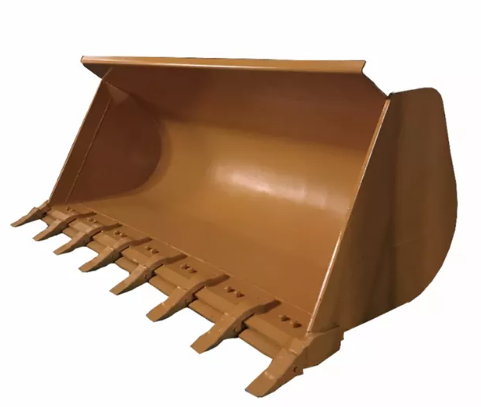
Ever wonder why one Excavator Bucket outperforms another? Each design solves a different jobsite challenge. This guide breaks down 10 different types of excavator buckets. You will see how each type boosts speed, control, and efficiency. In this article, you will learn which bucket fits your project best.
Overview of the 10 Excavator Bucket Types
Different types of excavator buckets are engineered to handle a wide range of materials, including soil, aggregate, rock, and construction debris. Each bucket's performance is influenced by its design elements such as tooth shape, wear plates, shell depth, and cutting-edge geometry. The right combination of these factors determines how efficiently an excavator moves material, reduces fuel consumption, and minimizes wear on machine components. Choosing the appropriate bucket can significantly improve cycle times and ensure safer operation on any jobsite.
How Bucket Design Impacts Digging
The shape and depth of a bucket’s shell directly affect its carrying capacity and efficiency. A deeper shell allows operators to move more soil with each scoop, while sharper teeth penetrate compacted surfaces more easily, reducing operator effort and machine strain. Flat or bolt-on blades help create clean, level trench bottoms, ensuring accurate utility installation and grading. Additionally, the bucket’s geometry can influence how smoothly it moves through soil, helping maintain control in uneven terrain or mixed material sites.
Differences in General-Purpose, Heavy-Duty, and Specialty Buckets
Excavator buckets fall into three main categories. General-purpose buckets are designed for routine digging, trenching, and loading tasks, performing well in standard soil conditions. Heavy-duty buckets feature reinforced edges and abrasion-resistant plates, making them ideal for rocky or high-wear environments such as quarries or demolition sites. Specialty buckets focus on specific tasks like precise trenching, grading, or material separation. Selecting the right category ensures efficiency, prolongs bucket life, and prevents excessive wear on the machine.
Matching Bucket to Ground Conditions
Different ground conditions require different bucket designs. Compact clay, dense rock, or loose soil each respond uniquely to cutting forces. Some buckets are optimized to cut through hard material, while others scoop loose soil or sift debris for recycling. Choosing a bucket compatible with the site conditions not only improves digging efficiency but also reduces fuel consumption, wear and tear, and operational risk. Proper selection ensures that operators achieve the desired results safely and consistently.
Durability Factors That Influence Lifecycle
The lifespan of an excavator bucket depends heavily on the materials and construction quality. High-grade steel, thicker wear plates, reinforced corners, and replaceable teeth all contribute to longer service life. Buckets designed with durability in mind can withstand heavy-duty applications, minimize maintenance downtime, and reduce replacement costs over time. Investing in a high-quality bucket often pays off through improved efficiency and fewer interruptions on the jobsite.
Safety Risks of Incorrect Bucket Use
Using an inappropriate bucket for specific tasks can create serious safety risks. For instance, employing a light-duty bucket in rocky terrain increases the likelihood of fractures or structural failure. Similarly, using the wrong bucket around buried utilities may damage cables or pipes, potentially causing costly downtime or safety hazards. Correct bucket selection and operator awareness are crucial to maintaining safe working conditions while protecting both equipment and jobsite assets.
Digging / General-Purpose Excavator Bucket
A general-purpose excavator bucket is the most versatile attachment for everyday digging, trenching, and loading tasks. It is suitable for loose to moderately compact soils and works well across a variety of construction and landscaping projects. These buckets allow operators to handle bulk material efficiently while maintaining good control over precision work.
General-purpose buckets are ideal for site preparation, landscaping, small trench work, and moving large volumes of dirt. Their flexibility makes them suitable for multiple tasks without frequent bucket changes, helping maintain productivity across projects.
Soil Suitability
They perform best in topsoil, mixed soil and moderately compacted clay with minimal debris. Using a general-purpose bucket in overly rocky or highly abrasive conditions may accelerate wear, so selecting the appropriate soil type is key to prolonging service life.
Teeth vs. Blade
Teeth allow the bucket to dig deeper and break through compacted surfaces, while a bolt-on blade ensures flat, smooth trench bottoms for utilities or landscaping features. Regular inspection and timely replacement of teeth are essential to maintain optimal performance and extend bucket lifespan.
Rock Excavator Bucket
Rock buckets are engineered to handle the toughest materials, including dense rock, hardpan soil, and demolition debris. They feature reinforced edges, abrasion-resistant wear plates, and robust teeth that maintain sharpness under high-impact conditions.
Reinforced Construction
Thick side plates, wear bars, and corner reinforcements provide superior resistance to impact and abrasion. The combination of reinforced structure and sharp teeth ensures that operators can penetrate dense surfaces without overstressing the machine's boom or hydraulic system. Rock buckets excel in quarries, demolition sites, foundation removal, and other environments where heavy material must be excavated. Their durability reduces the risk of operational delays due to bucket damage.
Reducing Machine Strain
By using a rock bucket designed for high-impact conditions, operators reduce stress on the excavator arm, boom, and hydraulics, extending machine life and minimizing maintenance costs. Selecting the correct bucket prevents overloading and preserves equipment efficiency.
V-Type (V-Ditch) Excavator Bucket
The V-type, or V-Ditch, excavator bucket is specially designed to form uniform, sloped trenches for controlled water flow and precise soil management. Its triangular construction ensures that trenches maintain consistent angles and clean profiles, which is essential for irrigation projects, roadside drainage, and pipe corridor installation. The shape of the bucket efficiently pushes soil outward, reducing the risk of trench collapse and minimizing rework. Operators can achieve faster trenching with less effort while maintaining accuracy across large areas. This type of bucket is particularly valuable for agricultural projects, land reclamation, and any terrain where water management and slope control are critical. Proper use of a V-Ditch bucket improves overall project quality and reduces operational time.
Frost / Hardpan Excavator Bucket
Frost or hardpan buckets are engineered for extreme conditions, including frozen ground, heavily compacted soil, or dense clay layers. Featuring a ripper-style tooth, these buckets penetrate hard surfaces more effectively than standard designs, reducing the strain on the main digging bucket and hydraulic system. They are widely used in mining, winter excavation projects, and construction sites with high soil resistance. By cracking dense layers efficiently, operators can maintain consistent cycle times even under harsh conditions. Investing in a frost or hardpan bucket minimizes downtime, prevents equipment overload, and ensures that projects in extreme environments continue smoothly without unexpected delays. This bucket type is indispensable for contractors working in cold climates or highly compacted terrain.
Micro Trenching Excavator Bucket
Micro trenching buckets are designed for projects that require narrow, deep trenches with precision and minimal surface disruption. Their ultra-narrow width allows them to install fiber optic lines, irrigation tubes, and shallow utility conduits without unnecessary excavation. Because they remove less material, backfill requirements are greatly reduced, lowering both labor and reinstatement costs. Operators can create clean, consistent cuts on paved surfaces, ensuring minimal impact on surrounding infrastructure. This bucket type is especially beneficial for urban construction, municipal utility work, and projects where space is limited or surface restoration is critical. By combining accuracy with efficiency, micro trenching buckets help contractors save time and reduce overall project costs.
Riddle / Skeleton Excavator Bucket
The skeleton bucket is a versatile tool designed for separating materials directly on-site, which improves workflow and reduces disposal costs. Its slotted back design allows finer soil to fall through while retaining larger debris such as rocks, branches, and construction waste. This makes it ideal for demolition cleanup, landscaping projects, and material recycling, allowing operators to sort and reuse aggregates efficiently. By minimizing the volume of material that needs to be transported, skeleton buckets reduce fuel consumption, labor, and truck usage. This bucket type is highly valued for projects where sustainability and cost-effectiveness are priorities, and it significantly speeds up site preparation and debris management.
Rake Riddle Excavator Bucket
The rake riddle bucket is a hybrid attachment that combines the functions of a rake and a skeleton bucket, enabling dual-action clearing in a single pass. It effectively rakes surface debris such as roots, branches, and leaves while simultaneously sifting soil to separate rocks and larger materials. This makes it ideal for forestry work, land clearing, agricultural maintenance, and construction site preparation where both clearing and sorting are required. By combining these tasks, the rake riddle bucket reduces the need for multiple attachments, decreases operational time, and lowers equipment costs. Its multifunctionality enhances productivity, ensures cleaner work sites, and provides operators with a flexible, efficient solution for complex clearing projects.
Conclusion
Different types of excavator buckets support unique job needs and improve speed, fuel control, and safety. The right choice helps teams manage soil, project complexity, and workflow more effectively. It also turns an excavator into a stronger and more efficient asset.
The ideal Excavator Bucket delivers cleaner results with less effort. YF Bucket offers reliable designs and durable builds that help operators boost productivity and reduce downtime across demanding projects.
FAQ
Q: What are the main differences between the 10 different types of excavator buckets?
A: Each type handles soil, rock, grading, or utility work differently, helping operators pick the right bucket for each task.
Q: How do I choose the right Excavator Bucket for my project?
A: Match the Excavator Bucket to soil type, depth needs, and job complexity to improve speed and control.
Q: Why do some Excavator Bucket designs include teeth or blades?
A: Teeth help an Excavator Bucket penetrate compact soil, while blades support smooth trench bottoms and grading.


