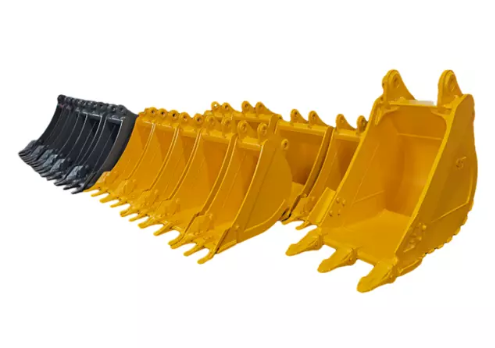
Why do some 12–25 ton machines outperform others? The answer often lies in the Excavator Bucket. This article explains how buckets and attachments shape power and results. You will learn what to choose and why it matters. Contractors often face one core question: Which bucket or attachment delivers the best value, durability, and productivity for a 12–25 ton machine? This guide answers that question. It breaks down bucket types, selection factors, design features, and ROI considerations. Think of it as your 12–25 ton excavator bucket selection guide—built for real-world work, not theory.
Understanding the 12–25 Ton Excavator Range
What Makes 12–25 Ton Machines Unique
Machines in the 12–25 ton class strike a balance between compact flexibility and large-machine power, offering operators a versatile range of capabilities. They
deliver strong breakout force for tough digging conditions while maintaining frame stability and fuel efficiency. This weight class supports larger and heavier Excavator Bucket designs, allowing the machine to penetrate deeper soils and lift dense materials without losing balance. Compared to smaller machines, they can sustain longer work cycles and handle a wider variety of attachments, making them ideal for construction, demolition, and utility projects that demand both precision and power. Operators also benefit from a stable platform that reduces wear and tear on the hydraulic system.
Typical Workloads in This Weight Class
12–25 ton machines are highly adaptable and often employed across multiple job types. These include roadwork and utility installations, where precision digging and trenching are required; general earthmoving and landscaping tasks, which demand consistent bucket performance; quarry and demolition operations, which expose machines to abrasive materials and heavy loads; and material handling, where lifting and repositioning dense loads efficiently is critical. Each of these workloads places unique demands on bucket geometry, tooth systems, and hydraulic output, emphasizing the need for carefully matched attachments to optimize both performance and operational safety.
How Bucket Size and Tooth Systems Scale
Bucket size and tooth configuration must scale appropriately with machine tonnage to ensure efficient operation. For instance, a 12-ton excavator typically handles 18–48 inch digging buckets, while a 25-ton machine accommodates 24–60 inch buckets capable of withstanding heavy-duty operations. Tooth systems must also match the application: mid-size CAT J300 teeth are common for general-purpose work, CAT J350 for heavy digging, and CAT J460 for high-impact or abrasive conditions. Choosing the wrong size or tooth system can reduce penetration, increase cycle time, and accelerate wear on both the bucket and the machine.
Hydraulic Power & Structural Demand
Hydraulic capacity plays a crucial role in digging efficiency and bucket performance. Higher hydraulic pressure allows deeper penetration and faster fill rates, but using a bucket too heavy for the machine’s hydraulic system can slow cycles, increase fuel consumption, and cause premature component wear. Therefore, it’s critical to match bucket mass and dimensions to the excavator’s cylinder strength and pressure rating. Proper pairing not only improves productivity but also extends the service life of the machine’s hydraulic and structural components.
Common Selection Mistakes
Operators frequently make mistakes that compromise safety and efficiency. Oversized buckets can destabilize the machine, especially on uneven terrain, while under-built skeleton buckets may bend under heavy loads. Using the wrong tooth style for a specific soil type can reduce penetration and accelerate wear. Misjudging bucket weight, ignoring hydraulic limitations, or neglecting fitment details are common errors that lead to downtime, increased maintenance costs, and slower project timelines. Awareness of these risks is essential for informed bucket selection.
Safety & Fitment Requirements
Proper fitment is essential to ensure safe and reliable operation. Pin diameter, hanger style, and hitch type must match the machine’s specifications; otherwise, downtime and mechanical failure may occur. Incompatibility can lead to detached buckets, excessive wear on pins, or structural damage to the excavator frame. Regular checks, correct pin spacing, and coupler compatibility are critical to maintaining both operator safety and machine longevity.
Performance Expectations
Operators and buyers expect their 12–25 ton machines to perform consistently under challenging conditions. High wear resistance ensures long-term durability, while efficient penetration allows faster cycles and reduced labor hours. Buckets should be easy to maintain and designed for structural integrity, supporting repetitive heavy-duty tasks without deformation. Meeting these expectations not only improves productivity but also protects the machine and reduces overall operating costs.
Types of Excavator Buckets for 12–25 Ton Machines
Digging Buckets
Digging buckets are the most versatile option, capable of handling general soil, clay, and loose rock. They are essential for routine trenching, loading, and earthmoving tasks. Their simple yet robust design makes them adaptable across multiple work sites, providing reliable performance and efficient fill rates. These buckets are ideal for contractors who require consistent functionality and minimal maintenance during daily operations.
Rock Buckets
Rock buckets are designed to withstand harsh, compact, or abrasive ground conditions. Reinforced plates and deeper teeth allow them to penetrate hard soils and break up rocks efficiently. They are ideal for quarrying, demolition, and construction sites where materials are dense and highly abrasive. Investing in a rock bucket reduces downtime from wear-related failures and ensures higher productivity under extreme conditions.
Grading Buckets
Grading buckets are wide, shallow, and feature smooth edges, making them perfect for leveling surfaces and spreading materials evenly. They excel in landscaping, road preparation, and backfilling operations. The wide profile allows operators to complete fine grading work quickly while minimizing the number of passes required, improving fuel efficiency and operational speed.
Skeleton / Sifting Buckets
Skeleton or sifting buckets separate fine soil from large debris, streamlining recycling, landscaping, and demolition cleanup tasks. They reduce manual sorting labor and allow contractors to reuse material on-site, lowering transport and landfill costs. Vertical tines with reinforced crossbars improve stiffness and durability, making these buckets an efficient choice for mixed debris environments.
Rake & Riddle Buckets
Rake and riddle buckets are designed to remove roots, vegetation, and debris while leaving soil behind. They are particularly useful in land clearing, forestry, and landscaping projects where selective separation is required. These buckets save time and labor while maintaining soil structure for subsequent work.
Frost Buckets
Frost buckets feature narrow profiles and additional teeth to penetrate frozen or extremely compact ground. They are essential in cold climates, winter construction, and applications where frozen soil or heavy frost layers must be broken efficiently. Their specialized design prevents excessive wear and maintains digging efficiency under challenging conditions.
Key Attachments for 12–25 Ton Excavators Beyond Buckets
Ripper Teeth
Ripper teeth are specialized attachments designed to penetrate extremely hard ground conditions, including compacted soil, shale, frozen layers, and dense tree roots. Even a single ripper tooth can deliver impressive penetration, significantly reducing the workload for the main bucket and improving overall cycle efficiency. In addition to breaking tough materials, ripper teeth minimize hydraulic strain and prevent excessive wear on standard digging buckets. They are commonly used in forestry, quarrying, and construction projects where precision and power are required to handle challenging terrain. Proper alignment and maintenance of ripper teeth are crucial to maximize effectiveness and extend service life.
Land Rakes
Land rakes are designed to clear brush, roots, and debris while simultaneously leveling disturbed ground. Unlike standard buckets, land rakes remove unwanted materials without stripping topsoil or damaging soil structure, making them essential for landscaping, site preparation, and post-demolition cleanup. Their wide tines allow for efficient sweeping and grading, significantly reducing labor time compared to manual clearing methods. Land rakes are also ideal for preparing seedbeds, maintaining sports fields, and cleaning up construction sites where fine control over debris separation and surface leveling is necessary.
Quick Couplers
Quick couplers are highly efficient hydraulic or mechanical systems that allow operators to switch attachments in seconds rather than minutes. This dramatically increases on-site productivity by enabling a single machine to perform multiple tasks without leaving the operator’s cab. Quick couplers are especially valuable on fast-paced construction sites, utility installations, and multi-tasking projects where frequent changes between digging, grading, and trenching tools are required. High-quality couplers are designed for durability, safety, and secure attachment locking to prevent accidental detachment during operation.
Design Elements That Matter in the 12–25 Ton Excavator Bucket Category
Dual-Radius Shells
Dual-radius shells are engineered with a curved structure that reduces drag during digging, allowing smoother soil penetration and faster bucket fills. This design improves operational efficiency by lowering fuel consumption and decreasing wear on the machine's hydraulic system. By optimizing material flow within the bucket, dual-radius shells enhance fill efficiency, reduce spillage, and increase cycle speed. This makes them particularly useful for high-volume earthmoving, utility trenching, and heavy excavation projects where fuel efficiency and operational speed are critical.
Tooth Systems
The choice of tooth system directly impacts cutting performance, penetration speed, and wear life. Medium-duty teeth such as CAT J300 are suitable for 12–15 ton machines handling general-purpose digging in soft to moderately compacted soils. For heavier machines in the 20–25 ton range, high-impact teeth such as CAT J350 or J460 are necessary to maintain durability under extreme conditions, including rocky terrain or abrasive material handling. Correct tooth selection improves cycle efficiency, reduces downtime for replacement, and maximizes the bucket's overall productivity on demanding job sites.
Cutting Edges & Wear Plates
Cutting edges made from HB400 steel provide superior durability and resistance against abrasive materials. Wear plates protect critical areas of the bucket shell, extending service life and reducing maintenance frequency. Regular inspection and timely replacement of cutting edges and wear plates prevent structural damage, maintain penetration efficiency, and ensure consistent performance across varying work conditions. Premium edges and plates also reduce repair costs by preserving the integrity of the bucket shell and critical attachment points.
Reinforced Skeleton Bucket Tines
Reinforced skeleton bucket tines are engineered to resist bending and maintain stiffness under heavy loads. Vertical tines coupled with crossbars allow for efficient separation of fine soil from debris, making them ideal for recycling, demolition cleanup, and landscaping projects. The reinforced design ensures that skeleton buckets can handle high-stress applications without deformation, maintaining productivity and material quality while reducing the risk of downtime or structural failure.
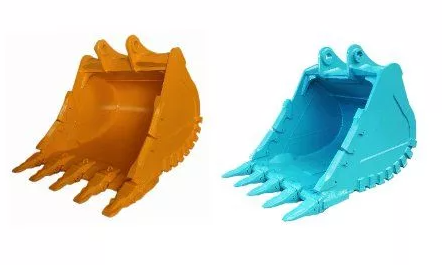
How to Choose the Right Excavator Bucket for Your 12–25 Ton Machine
Match Bucket Width & Weight
Selecting the correct bucket width and weight is crucial to maintaining machine stability and hydraulic efficiency. Overly wide or heavy buckets can stress the excavator's hydraulic system, slow cycle times, and increase wear on pins and cylinders. Balancing bucket size with the excavator's rated load ensures maximum productivity while reducing operational strain and extending the life of both bucket and machine.
Evaluate Soil Type
Bucket selection must consider soil and material conditions. Soft soils are best handled by general-purpose digging buckets, rocky terrain requires rock buckets, frozen or compacted layers demand frost buckets, and mixed debris is most efficiently processed with skeleton or sifting buckets. Accurately assessing material properties prevents premature wear and ensures smooth operation.
Consider Project Goals
Determine whether the primary task involves digging, leveling, separating, or ripping materials. Proper alignment of bucket type with project requirements ensures high productivity, optimal fuel efficiency, and reduced wear on the machine. Misaligned bucket selection can slow operations and increase operational costs.
Productivity vs. Fuel Use
Buckets optimized for the excavator's size and application reduce cycle times and fuel consumption. Poorly matched buckets increase hydraulic resistance, prolong cycles, and lead to higher fuel use. Consider both material volume and operational efficiency when selecting a bucket.
Fitment Checks
Verify pin diameter, pin spacing, hitch style, and coupler compatibility before selecting a bucket. Incompatible attachments can result in unsafe operation, accelerated wear, and costly downtime. Ensuring proper fitment is essential for safe and reliable operation.
Climate & Seasonal Needs
Seasonal considerations influence bucket selection. Frost or ripper buckets may be required in cold climates, while other attachments may be optimized for wet or loose soils. Proper planning for seasonal conditions ensures continued productivity and reduces maintenance requirements.
Performance & ROI Considerations for 12–25 Ton Excavator Buckets
Reduced Cycle Times
Buckets with sharp cutting edges and optimized tooth geometry enable faster penetration and more efficient material handling. This directly impacts job-site productivity, allowing operators to complete tasks in fewer cycles while conserving fuel and reducing machine wear.
Wear Life & Replacement Intervals
High-quality HB400 edges and reinforced bucket shells extend service life. Proactive replacement of worn teeth and edges protects structural integrity, prevents unexpected failures, and reduces long-term maintenance costs. Proper maintenance schedules optimize ROI by maximizing uptime and extending equipment longevity.
Fuel Efficiency Gains
Dual-radius shells and well-matched bucket weights reduce drag and energy consumption while maintaining adequate breakout force. Efficient bucket design ensures that operators can achieve more material moved per cycle with lower fuel use, benefiting both the environment and operational budgets.
Sorting & Separation Savings
Skeleton buckets improve material separation on-site, reducing hauling and landfill costs. By recycling backfill and separating debris effectively, these buckets generate cost savings and operational flexibility, particularly on demolition and landscaping projects. Efficient material handling reduces labor needs and enhances overall project profitability.
Conclusion
A 12–25 ton excavator performs best when paired with the right tools. A well-matched Excavator Bucket improves digging power, reduces fuel use, and extends machine life. This guide helps you assess soil, tasks, and bucket design to make confident choices. YF Bucket delivers durable attachments that enhance efficiency and support long-term value for demanding projects.
FAQ
Q: What matters most when choosing a 12–25 ton Excavator Bucket?
A: Match the Excavator Bucket to soil, task, and machine weight; the 12-25 ton excavator bucket selection guide helps simplify this process.
Q: How do I compare digging and rock buckets for 12–25 ton machines?
A: Use digging buckets for general work and rock buckets for hard ground; this choice appears in every 12-25 ton excavator bucket selection guide.
Q: Why do attachments affect 12–25 ton excavator performance?
A: The right attachment supports smoother cycles and protects the Excavator Bucket from excess wear.


