
+86-18913476038
English

Views: 0 Author: Site Editor Publish Time: 2025-11-17 Origin: Site


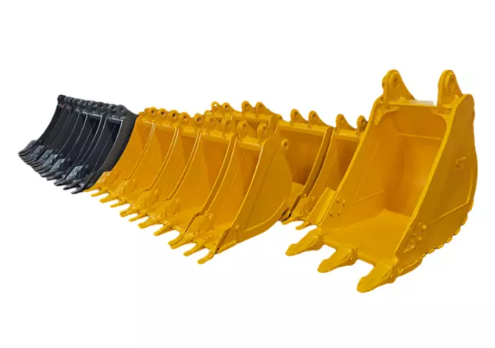
Choosing the wrong excavator bucket wastes time. Excavator buckets come in many types and sizes. Each type suits a specific task or material. In this article, we explain how to choose excavator bucket. You will learn to match buckets to machines and jobs.
Excavator buckets are the primary tools that allow your machine to dig, load, or clear a wide variety of materials efficiently. They are available in many sizes and designs, ranging from small utility buckets suitable for landscaping or minor excavation work to large rock-handling models designed for heavy-duty mining or quarry operations. Choosing the correct bucket is critical because it directly affects the machine's performance, wear and tear, and overall project efficiency. A well-matched bucket reduces strain on the excavator, minimizes fuel consumption, and prevents unnecessary downtime due to equipment failure or frequent repairs.
Key Takeaways:
The type of bucket significantly impacts operational performance and productivity.
Material type dictates the specific design of the bucket, including teeth configuration, sidewall strength, and base thickness.
Always match the bucket's capacity and weight to the excavator's class to avoid mechanical strain and ensure safe operation.
Always inspect the bucket for signs of wear, cracks or previous damage before purchase. A thorough inspection saves time, reduces repair costs, and extends the bucket's service life.
Before selecting an excavator bucket, it is essential to clearly define the tasks your machine will perform. Consider whether the primary work involves digging soil, moving gravel, breaking rock, or performing precision grading. Understanding the specific requirements of your project ensures that you choose a bucket that is both effective and safe. Additionally, identify whether there are utility lines or underground obstacles that require careful excavation.
Different types of tasks demand distinct bucket designs. For example, grading or leveling work benefits from wide, shallow buckets that allow for smooth material handling and precise surface shaping. In contrast, rocky terrain or quarry work requires reinforced teeth and heavy-duty structures to handle abrasive and dense materials. Taking the time to list all project tasks before choosing a bucket helps identify the right type quickly, ensuring higher productivity and lower maintenance costs.
Create a detailed project task list before making a decision. This preparation minimizes the risk of selecting an incompatible bucket and helps optimize machine performance on-site.
Excavator buckets are designed for specific purposes, and understanding their differences is crucial for effective operation. Common types include digging buckets for general excavation, rock buckets for hard surfaces, grading buckets for leveling, multi-purpose buckets for utility tasks, and specialty buckets like tilt, V-shaped, or frost buckets. Each type is engineered with unique structural features, such as teeth configuration, sidewall reinforcement, or adjustable angles, to meet different operational needs. Selecting the correct type ensures that the machine operates efficiently and reduces the likelihood of premature wear or damage.
| Bucket Type | Features | Best Use |
|---|---|---|
| Digging Bucket | Teeth for breaking soil | General excavation |
| Rock Bucket | Reinforced teeth | Hard surfaces, quarries |
| Multi-Purpose | Rounded, safe edges | Utility sites |
| Grading Bucket | Wide, shallow | Leveling, fine soil |
| Tilt Ditch | Adjustable ±45° | Ditches, slopes |
| V-Shaped | V-cross section | Narrow trenches |
| Frost Bucket | Extra teeth | Frozen ground |
| Micro Trenching | Long, narrow | Fiber-optic or irrigation lines |
| Skeleton | Slots to separate debris | Recycling, stones |
| Rake | Shallow, bars | Clearing, root removal |
| Cleanup | Wide, straight edge | Site clean-up |
Choosing the appropriate bucket size is just as important as selecting the right type. The bucket's width and capacity must match both the excavator and the task at hand. An oversized bucket may overload the machine, reduce operational efficiency, and increase fuel consumption, while an undersized bucket may lead to longer cycle times and slower project completion. Consider the weight limits of your excavator, the material density (rock vs. soil), and the intended depth of excavation when deciding on the ideal size.
| Excavator Class | Bucket Width (mm) | Capacity (m³) |
|---|---|---|
| Mini (1-5 t) | 200-600 | 0.03-0.15 |
| Small (5-10 t) | 400-800 | 0.15-0.35 |
| Medium (10-25 t) | 600-1200 | 0.35-0.8 |
| Large (25+ t) | 1000-2000 | 0.8-2.5 |
Always verify that the bucket's weight and size are compatible with the excavator's arm, hydraulic power and lifting capacity to prevent operational hazards.
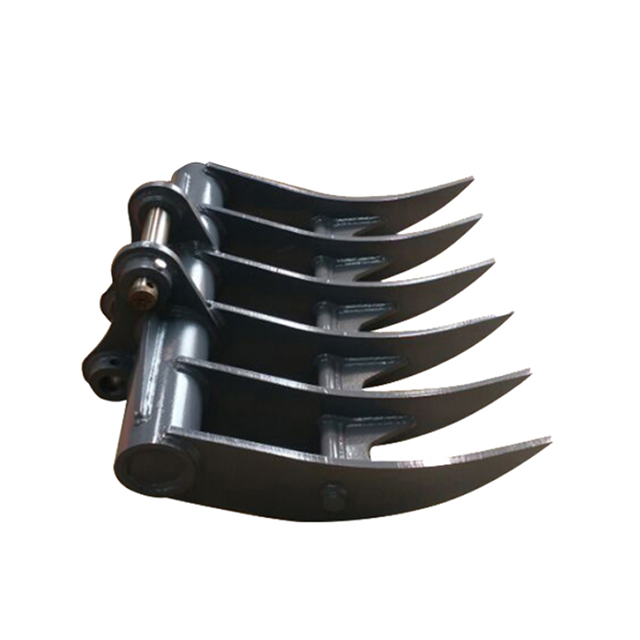
Even new buckets may have manufacturing defects or minor imperfections that can affect performance. A thorough inspection is critical to ensure long-term durability and safe operation. Key inspection points include welds, which should be free from cracks or weak points; teeth, which must be sharp and securely attached; side panels and the base, which should show no significant dents or distortions; and pins, bushings, and couplings, which should operate smoothly without excessive play.
A structurally sound bucket reduces the need for frequent repairs, minimizes downtime, and extends the machine's lifespan. Investing time in inspection ensures that your excavator operates at maximum efficiency throughout the project. Neglecting structural inspection can double maintenance costs and lead to unexpected project delays.
Buckets are not universally compatible across all excavators. Before purchasing, confirm the bucket matches your machine's specifications. Key factors include the type of coupler, pin diameter and spacing, the hydraulic system (especially for tilt or multifunction buckets), and overall dimensions. Using an incompatible bucket can result in poor performance, safety hazards, and increased wear on the excavator's arm and hydraulic system. Always refer to manufacturer manuals or use digital fit guides to ensure compatibility. Proper verification guarantees safe, effective operation and reduces the risk of costly errors.
Before deploying the bucket on a full-scale project, conduct performance testing. Open and close the bucket fully to check for smooth operation, dig a small sample area to observe material handling, monitor cycle times, and inspect for unusual wear or stress. Testing ensures the bucket functions correctly and can handle the specific material type encountered on-site. Performance testing helps reveal hidden issues that may not be visible during visual inspections, preventing costly problems during project execution.
When selecting an excavator bucket, consider several additional factors that affect efficiency and durability. Material hardness is critical—rock requires reinforced teeth, while soft soil allows for standard designs. Bucket coatings, such as anti-wear or abrasion-resistant layers, can significantly extend service life. Some buckets offer attachment options, including bolt-on teeth or side cutters, which provide flexibility for different tasks. Finally, assess maintenance ease and the availability of replacement parts to minimize downtime and repair costs. Factoring in maintenance and spare part availability before purchasing ensures a smooth workflow and long-term cost savings.
Choosing the right Excavator Bucket is essential for improving efficiency, balancing project requirements, and ensuring safe operation. Selecting the appropriate type, size and material durability directly impacts machine performance and project outcomes. YF Bucket products are designed for compatibility, durability, and optimal performance, helping reduce operational costs and enhancing productivity across a variety of excavation tasks. By investing in the right bucket, operators can complete projects faster, safer, and more cost-effectively.
Q1: What is a class-3 excavator bucket?
A mid-sized bucket for general excavation tasks.
Q2: How to choose excavator bucket for hard soil?
Select reinforced or rock bucket with stronger teeth.
Q3: Are all excavator buckets universal?
No, fit depends on coupler type, pin spacing and hydraulic requirements.


