Introduction
Road construction looks simple, but it relies on many specialized machines. Excavators prepare the ground and support paving work. In this article, you will learn how road construction and paving equipment work together to build durable roads.
Earthmoving Equipment Used in Road Construction
Excavators in Road Construction and Paving
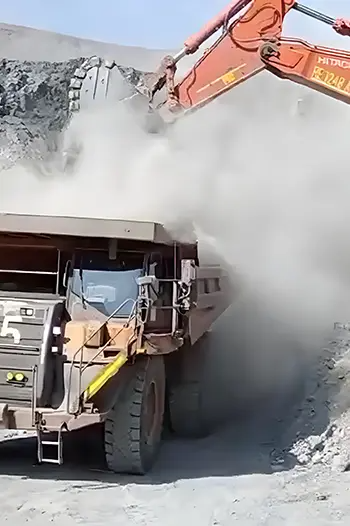
Excavators sit at the center of most road construction projects because they handle the earliest and most disruptive tasks. They shape the site before paving begins and continue supporting work long after excavation ends. In real projects, they dig trenches for utilities, create drainage channels, remove old pavement, and load debris for transport.

Their rotating upper structure allows them to work efficiently in confined road corridors, where space and traffic limits matter. When equipped with purpose-built buckets and tools from manufacturers like YF Bucket Machinery, excavators adapt quickly to changing job demands instead of slowing the workflow.
Key capabilities excavators bring to road construction include:
● Trenching for drainage pipes and underground utilities, which protects pavement from long-term water damage and subsurface failure.
● Demolition and material handling, where broken asphalt and concrete are lifted, sorted, and removed efficiently.
● Fine excavation near curbs, shoulders, and structures, where precision matters more than brute force.
Attachments significantly expand what excavators can do during paving-related work. Buckets, rippers, and hydraulic tools allow one machine to shift from digging to breaking, lifting, or cleanup without leaving the site.
Excavator Task | Typical Attachment | Road Construction Benefit |
Trenching and drainage | Standard or trenching bucket | Controls water flow and prevents pavement failure |
Pavement removal | Hydraulic breaker | Fast demolition with minimal surrounding damage |
Material loading | Heavy-duty bucket | Efficient debris and aggregate handling |
Bulldozers and Their Role in Site Preparation
Bulldozers prepare the ground so excavators and graders can work effectively. They move large volumes of soil quickly and create the first rough shape of the roadway. Before any precise grading happens, bulldozers clear vegetation, remove unsuitable material, and push soil into approximate elevation. This early work prevents rehandling later and keeps excavators focused on tasks that require reach and precision.
In road construction, bulldozers usually perform:
● Clearing operations that remove roots, rocks, and debris from the future roadway footprint.
● Rough grading to establish a basic road profile and working platform.
● Material pushing over short distances, where speed matters more than accuracy.
They work best when coordinated closely with excavators. While bulldozers push and spread material, excavators load excess soil or shape slopes that require controlled digging. Together, they reduce wasted passes and unnecessary machine movement.
Motor Graders for Precision Grading
Motor graders bring accuracy to road construction once earthmoving is complete. After excavators and bulldozers shape the site, graders refine it. They create smooth subgrades, accurate road crowns, and consistent slopes that support proper drainage. Without this step, even the best paving equipment cannot deliver long-lasting results.
Graders are especially valuable because:
● They control cross slope and crown, which directs water away from the pavement surface.
● They create uniform layer thickness, helping compactors achieve consistent density.
● They reduce rework by producing surfaces that meet design tolerances in fewer passes.
Accuracy here saves time later. When the subgrade is correct, base material spreads evenly and compaction becomes more predictable, lowering the risk of early pavement distress.
Equipment for Base Preparation and Compaction
Soil Compactors and Rollers
Compaction determines how long a road will last. Even perfectly graded surfaces fail if the underlying layers lack density. Compactors remove air voids, lock particles together, and create a stable foundation that supports traffic loads. Different roller types serve different materials and stages of construction, so selection matters as much as operation.

Common compaction equipment includes:
● Vibratory rollers, which use vibration to densify granular soils and aggregates efficiently.
● Pneumatic rollers, which apply kneading pressure and help seal asphalt surfaces.
● Plate compactors, often used in confined areas like edges, patches, or utility trenches.
Compactor Type | Best Application | Practical Advantage |
Vibratory roller | Granular base layers | High density with fewer passes |
Pneumatic roller | Asphalt surfaces | Improved surface sealing |
Plate compactor | Tight or narrow areas | Access where rollers cannot work |
Road Reclaimers and Stabilizers
Road reclaimers and stabilizers focus on reuse and strength. Instead of removing old pavement completely, these machines pulverize existing materials and blend them with the underlying base. Additives such as cement or emulsions improve bearing capacity and reduce the need for new aggregate. This approach saves cost and shortens project timelines while supporting sustainable construction practices.
They are commonly used to:
● Recycle deteriorated asphalt and base material in a single pass.
● Improve weak subgrades that cannot support traffic loads.
● Extend road life by creating stronger, more uniform base layers.
Because reclaimers integrate demolition, mixing, and grading, they reduce equipment transfers and simplify site logistics.
Cold Planers and Milling Machines
Cold planers prepare existing roads for resurfacing by removing damaged asphalt layers with precision. Instead of full-depth reconstruction, milling restores surface profile and texture. This allows new asphalt to bond properly and maintain correct elevation near curbs, manholes, and bridges.
Their role in road construction includes:
● Removing rutted, cracked, or polished asphalt surfaces.
● Creating a textured surface that improves adhesion for new pavement layers.
● Controlling depth accurately so finished road height remains within design limits.
When coordinated with excavators for debris removal and loaders for material transport, milling operations keep resurfacing projects efficient and predictable.
Paving Equipment for Asphalt and Concrete Roads
Asphalt Pavers in Road Construction
Asphalt pavers handle one of the most visible stages of road construction. They receive hot mix from trucks, spread it evenly, and level it to the designed thickness. Consistent material flow keeps the mat smooth and prevents weak spots.
Operators rely on steady speed and proper setup to avoid surface defects. When pavers run without stops, pavement quality improves and rework drops.
Key roles asphalt pavers play on road projects include:
● Distributing asphalt evenly across the full lane width to maintain uniform thickness.
● Leveling the surface before compaction, which improves final smoothness.
● Supporting large-scale work such as highways, parking lots, and sidewalks.
Application Area | Paver Function | Practical Outcome |
Highways | Continuous asphalt placement | Smooth, durable driving surface |
Parking lots | Accurate leveling | Even appearance and drainage |
Sidewalks | Controlled paving width | Clean edges and finish |
Rollers and Finish Compactors
Rollers follow closely behind the paver to lock the pavement into place. They compress the asphalt to reach target density and remove trapped air. Timing matters, because asphalt cools quickly once placed. If rolling starts too late or too early, durability suffers.
Good compaction practices focus on:
● Matching roller type and vibration settings to asphalt thickness.
● Starting compaction while the mix stays workable and warm.
● Maintaining consistent pass patterns to avoid uneven density.
Material Handling on Road Projects
Wheel Loaders and Their Versatility
Wheel loaders keep road projects moving by feeding materials where they are needed. They load aggregates, move asphalt stockpiles, and support cleanup tasks around the site. Their fast cycle times help maintain steady supply to pavers and trucks. Because they accept multiple attachments, they adapt easily to different phases of construction.
Typical uses of wheel loaders include:
● Loading dump trucks efficiently to support continuous haul cycles.
● Transporting aggregates and reclaimed materials on-site.
● Assisting paving crews by keeping hoppers supplied and clear.
Dump Trucks and Haulage Equipment
Dump trucks connect every stage of road construction. They carry asphalt from the plant, move aggregates for base layers, and remove excavated material. Balanced haul cycles keep pavers productive and prevent waiting time. Poor coordination leads to idle equipment and inconsistent paving.
Effective haulage depends on:
● Matching truck capacity to project scale and haul distance.
● Scheduling arrivals so pavers never run out of material.
● Reducing queue time at both plant and paving location.
Haulage Task | Equipment Role | Project Impact |
Asphalt delivery | Supply hot mix | Prevents paving interruptions |
Aggregate transport | Feed base preparation | Maintains steady workflow |
Debris removal | Clear site material | Keeps work zones efficient |
Conclusion
Road construction and paving rely on a coordinated system of equipment working at different stages, from early earthmoving to final surfacing. Supported by reliable excavator buckets, attachments, and parts from YF Bucket Machinery, contractors can adapt equipment to job needs, reduce downtime, and achieve consistent results across road and paving projects.
FAQ
Q: What are the main types of road construction and paving equipment?
A: They include Excavators, pavers, rollers, loaders, and trucks, each supporting different construction stages.
Q: How are Excavators used in road construction projects?
A: Excavators handle trenching, demolition, drainage, and material loading during road construction work.
Q: Why are Excavators important before paving begins?
A: Excavators prepare stable foundations, ensuring paving equipment works efficiently and accurately.
Q: What affects the cost of using Excavators on road projects?
A: Excavator cost depends on size, attachments, operating hours, and maintenance needs.
Q: How do Excavators compare with loaders in road construction?
A: Excavators focus on digging and precision, while loaders move materials across the site.


