
+86-18913476038

Views: 0 Author: Site Editor Publish Time: 2026-03-26 Origin: Site


Are you using your machine to its full potential? Many jobs need more than basic digging. Mini excavator attachments make work faster and easier. In this article, you will learn types, uses, and how to choose the right tools.
Mini excavator attachments are tools that connect directly to the machine. They extend what it can do beyond simple digging. Instead of using multiple machines, operators can switch tools quickly and keep working. These attachments are designed to match compact equipment, so they perform well in tight spaces and small job sites.
What counts as an attachment?
Buckets, grab buckets, rippers, and quick couplers are common examples.
These tools attach to the arm or coupler system of the excavator.
They allow the machine to handle digging, lifting, breaking, and clearing tasks.
Standard vs. specialized attachments
Standard attachments are used daily, like digging buckets or clean buckets.
Specialized ones handle unique jobs, such as skeleton buckets for screening or rippers for hard ground.
The choice depends on the project type, soil condition, and material handling needs.
In practical use, companies like YF Bucket design attachments to match different working conditions. Their product range includes both standard and specialized tools. This helps users avoid compatibility issues and ensures smoother operation on site.
Mini excavator attachments make compact machines far more useful. Instead of being limited to one task, the machine becomes a flexible tool. It adapts quickly to different job requirements. This flexibility matters, especially on small or crowded job sites.
Increased versatility for different tasks
One machine can handle digging, grading, lifting, and cleanup.
Operators can switch tools instead of switching machines.
This reduces downtime and keeps projects moving efficiently.
Improved efficiency and reduced labor
Tasks that required manual work can now be done mechanically.
Attachments like grab buckets reduce handling time for loose materials.
Quick couplers make tool changes faster, so work continues without long delays.
Cost savings compared to multiple machines
Buying one excavator with multiple attachments costs less than several machines.
Maintenance becomes simpler because there is only one base machine.
Storage and transport costs are also reduced, especially for small contractors.
When people talk about mini excavator attachments, buckets always come first. They are the most used tools on any job site. But not all buckets are the same. Each type is built for a specific task, so choosing the right one makes a big difference in performance and fuel use.
Standard, trenching, and grading buckets
Standard buckets handle general digging and loading. They are strong and easy to use in most soil conditions.
Trenching buckets are narrow, so they dig precise lines for cables or pipes. This helps reduce extra digging work later.
Grading buckets have a wider edge. They are used for leveling surfaces, shaping slopes, and finishing work.
Skeleton buckets and clean-up buckets
Skeleton buckets have gaps between bars. They separate rocks from soil quickly. This saves time during screening tasks.
Clean-up buckets are smooth and wide. They are used for final surface work, especially in landscaping projects.
These tools are often used when accuracy matters more than digging power.
YF Bucket offers a wide range of these bucket types. It helps users match the right tool to the job, instead of forcing one bucket to do everything.
| Bucket Type | Key Feature | Best Use Case |
|---|---|---|
| Standard Bucket | Strong, general-purpose | Excavation, loading soil |
| Trenching Bucket | Narrow design | Pipe laying, cable trenches |
| Grading Bucket | Wide, flat edge | Leveling and finishing |
| Skeleton Bucket | Open structure | Sorting rocks and debris |
| Clean-up Bucket | Smooth, wide body | Landscaping and surface work |
Sometimes digging is not the main job. We need to move materials. This is where grab buckets and grapples become important. They give the machine better control when handling irregular shapes.
Handling irregular materials
Grab buckets can hold loose materials like scrap, stones, or construction waste.
Grapples are better for logs, branches, and bulky items. They grip instead of scoop.
These tools reduce manual labor and speed up loading tasks.
When to choose grab buckets over standard buckets
Use them when materials are uneven or hard to contain.
They work well in demolition, recycling, and site cleanup jobs.
Standard buckets may drop materials, but grab buckets hold them securely.
In real work, we often switch between digging and handling. That is why many operators combine buckets and grab tools from the same supplier like YF Bucket. It keeps compatibility simple and avoids fitting issues.
Not every job site has soft soil. Some areas are hard, frozen, or full of roots. In these cases, standard buckets struggle. That is where ground engagement tools come in.
Breaking hard soil and difficult surfaces
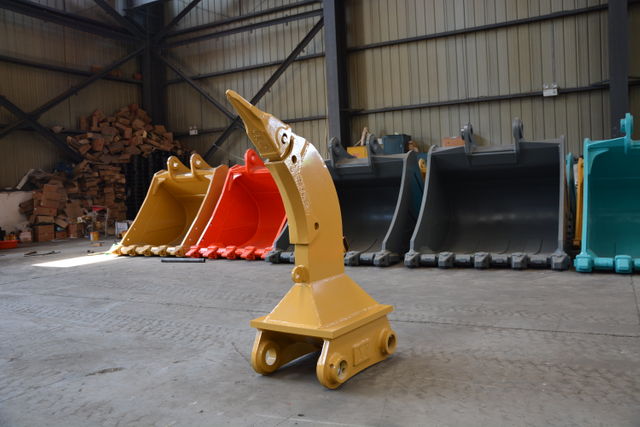
Rippers use a strong single tooth. They break compact soil before digging starts.
They are also useful for cutting through roots and loosening rocky ground.
This makes the digging process faster and less stressful on the machine.
Land clearing and surface preparation
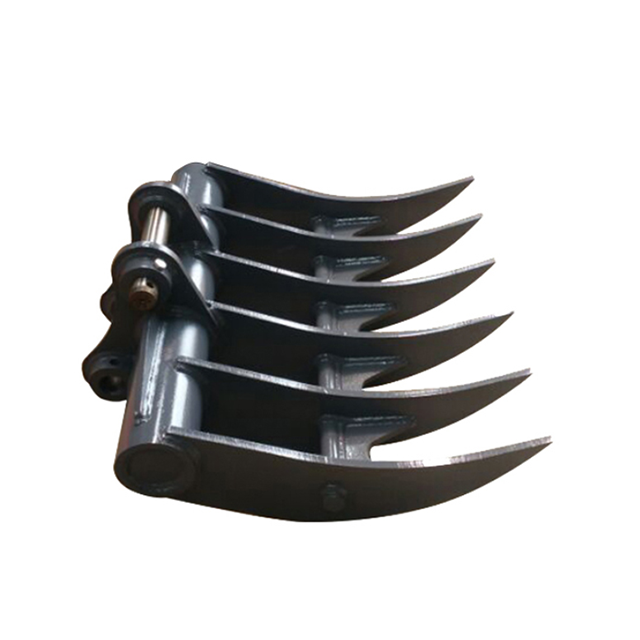
Rakes are used for clearing debris like branches and stones.
They help prepare land for construction or landscaping.
Unlike buckets, they do not collect soil, only unwanted materials.
Switching attachments can take time. On busy sites, even a few minutes matter. That is why quick couplers are considered essential among mini excavator attachments.
Quick couplers for fast changes
They allow operators to change attachments without leaving the cab.
This reduces downtime between tasks.
It also improves workflow when multiple tools are needed.
Improving safety and reducing downtime
Manual changes can be risky. Quick couplers reduce direct contact during switching.
They lock attachments securely, so operation feels stable.
Faster changes mean projects finish sooner, saving labor costs.
Many users now treat quick couplers as a standard part of their setup. When combined with a full attachment range from YF Bucket, it creates a flexible system. We can move from digging to lifting, then to clearing, without stopping the job flow.
Choosing the right mini excavator attachments starts from the job itself. We should not pick tools first. Instead, we look at what needs to be done. Different tasks require different attachment designs, and using the wrong one often slows work down and increases wear on the machine.
Digging vs. grading vs. material handling
Digging tasks need strong buckets, often standard or trenching types. They focus on penetration and soil removal efficiency.
Grading requires smooth and wide buckets. These help create flat surfaces and clean finishes, especially in landscaping.
Material handling needs grab buckets or grapples. They hold loose or irregular objects better than digging tools.
Selecting the right tool for specific tasks
For narrow trench work, trenching buckets save time and reduce extra soil removal.
For site cleanup, grab buckets prevent material from slipping during lifting.
For mixed jobs, combining multiple attachments gives better flexibility during operation.
We often see contractors using one attachment for everything. It works, but not efficiently. When we match tools to tasks, productivity improves quickly. YF Bucket offers multiple attachment types, so users can switch tools based on real job needs.
| Job Type | Recommended Attachment | Key Advantage |
|---|---|---|
| Trenching | Trenching Bucket | Precision and narrow digging |
| Surface Leveling | Grading Bucket | Smooth finish and accuracy |
| Material Handling | Grab Bucket / Grapple | Secure grip on irregular items |
| Site Cleanup | Rake or Clean-up Bucket | Efficient debris removal |
Not every attachment fits every machine. Compatibility is one of the most important factors when selecting mini excavator attachments. If the size or connection is wrong, performance drops or safety risks increase.
Size, weight, and hydraulic requirements
Attachments must match the excavator’s size class. Too heavy tools can reduce stability.
Hydraulic attachments need proper flow and pressure. Without this, they will not perform correctly.
Smaller machines require lighter, compact attachments to maintain balance.
Importance of proper fit and connection
Pin size and linkage must match the excavator arm. Even small differences can cause issues.
Quick couplers must align correctly to avoid loose connections.
A proper fit ensures smooth operation and reduces long-term wear on both machine and attachment.
When we choose products from a supplier like YF Bucket, it becomes easier to ensure compatibility. They provide matching parts such as pins, bushings, and links. This helps avoid installation problems and keeps everything working together.
Durability matters more than it seems at first. Attachments face constant stress, friction, and impact. If the material is weak, it wears out quickly. Then we spend more on replacements and repairs.
Steel type and wear resistance
High-strength steel improves resistance to bending and cracking.
Reinforced edges and wear plates extend service life during heavy digging.
Good heat treatment improves toughness under harsh working conditions.
Long-term performance vs. upfront cost
Lower-cost attachments may save money at first, but they wear faster.
High-quality tools last longer and reduce downtime.
Over time, durable attachments offer better value and lower total cost.
Not all projects are the same. Standard attachments work for many jobs, but sometimes we need custom solutions. Customization helps improve efficiency and match special working conditions.
Custom sizes, shapes, and configurations
Bucket width can be adjusted for different trench sizes.
Reinforcement can be added for heavy-duty applications.
Special shapes can improve performance in unique soil conditions.
Benefits of tailored attachments
They improve precision for specific industries like utilities or landscaping.
They reduce unnecessary wear by matching the job exactly.
They help operators complete tasks faster with fewer adjustments.
Companies like YF Bucket support customized solutions. This allows users to design attachments based on real needs instead of adapting to standard tools. For contractors working in varied environments, this flexibility makes a big difference in daily operations.
Safe operation always begins before the machine starts working. We need to check the attachment connection carefully. It should be properly aligned and fully secured. Even a small mistake here can lead to serious problems during operation. It is better to take a few extra minutes for inspection than risk equipment failure later.
Operators also need to stay aware of their surroundings. They should keep a safe distance from other workers and avoid sudden movements. Smooth control makes the machine more stable and reduces stress on attachments. When working in tight spaces, attention becomes even more important. Good habits during operation protect both the machine and the people around it.
Regular maintenance is essential for keeping mini excavator attachments in good condition. Instead of waiting for damage, we should inspect them frequently. This includes checking for wear on edges, cracks in the structure, and any signs of looseness. Early detection helps prevent bigger problems and reduces downtime.
Cleaning also plays a key role. After working in mud or wet soil, attachments should be washed and dried. This prevents corrosion and keeps surfaces in better condition. Lubrication is another important step. It reduces friction between moving parts and improves overall performance. When attachments are stored properly in a dry place, their lifespan increases significantly.
The way we use attachments has a direct impact on how long they last. Many failures happen because tools are used for the wrong purpose. For example, using a bucket to break hard ground puts unnecessary stress on it. A ripper is more suitable for that kind of work. Choosing the correct tool for each task helps avoid damage and improves efficiency.
We should also avoid overloading the machine. Exceeding capacity can damage both the attachment and the excavator itself. Smooth and controlled operation reduces impact forces and keeps components in better condition. Over time, these small habits make a big difference in durability and performance.
Even with proper care, attachments will eventually wear out. We need to recognize the signs early. Cracks, bending, and worn edges are clear indicators. When performance starts to drop, it affects productivity and increases operating time. Continuing to use damaged tools can also create safety risks.
Upgrading attachments can bring noticeable improvements. Newer designs often use stronger materials and better structures. They perform more efficiently and handle tasks more easily. When working conditions change, upgrading also allows the machine to adapt to new requirements. Choosing reliable options from suppliers like YF Bucket helps ensure better compatibility and consistent performance in daily operations.
Mini excavator attachments improve flexibility and job efficiency. Choosing the right tool helps complete tasks faster and safer. Proper use and maintenance extend service life and reduce costs. YF Bucket offers durable attachments and reliable solutions, helping users handle different jobs with better performance and consistent results.
A: Mini excavator attachments are tools like buckets or rippers used to expand machine functions.
A: Mini excavator attachments reduce manual work and allow faster task completion on job sites.
A: Mini excavator attachments match specific jobs like digging, grading, or handling materials.
A: Clean, inspect, and lubricate mini excavator attachments regularly to ensure long lifespan.
A: Replace mini excavator attachments when wear, cracks, or poor performance appear.


