Introduction
Is bigger Excavator Equipment always the right choice for every jobsite, or can a smaller machine deliver better results? Many projects suffer from limited space, surface damage, and high operating costs. This article explains when to use a mini excavator and how it fits modern Mini Excavator needs. You will learn where it works best and why it creates practical value.
Understanding Mini Excavators Within Excavator Equipment
What Defines a Mini Excavator?
A mini excavator is a compact category of Excavator Equipment built for jobs where control, access, and accuracy matter more than sheer force. It stays small in footprint, yet it delivers stable digging and lifting for everyday construction, landscaping, and utility tasks. Operators like how it turns fully without constant repositioning, which keeps work flowing smoothly. On busy or sensitive sites, it feels practical rather than overpowered.
From a customer’s point of view, it fits real-world conditions better. It moves easily through gates, between buildings, and across finished ground. When matched with well-designed buckets and attachments from YF Bucket Machinery, it adapts to multiple tasks without changing machines, which saves time and budget.
Common traits customers look for include:
● Compact dimensions that allow access to tight or enclosed spaces
● Lower operating weight to protect pavement, lawns, and interiors
● Full 360-degree swing for flexible positioning
● Strong hydraulic response for precise movements
Core Structural Components That Matter to Buyers
Although smaller in size, mini excavators share the same working logic as larger machines. Buyers care less about appearance and more about how each part supports control, stability, and attachment use. A balanced structure improves safety and extends service life, especially when the machine works daily.
Structural Component | Customer-Oriented Value |
Cab & Operator Controls | Clear visibility, comfortable posture, accurate operation |
Boom, Arm & Bucket | Determines reach, digging depth, and task flexibility |
Hydraulic System | Enables smooth, precise control for delicate work |
Engine & Counterweight | Keeps output stable and prevents tipping |
These components work as a system. When they are properly matched with buckets or attachments, the mini excavator feels responsive and reliable across different applications.
Mini Excavator vs. Standard Excavator: How Customers Decide
Size, Power, and Reach Comparison
Customers usually compare mini and standard excavators based on real job needs, not specifications alone. Mini excavators handle most small to medium tasks efficiently, while standard excavators focus on heavy earthmoving and deep excavation. Choosing the right size prevents wasted capacity and unnecessary cost.
Comparison Aspect | Mini Excavator | Standard Excavator |
Typical Project Size | Small to medium jobs | Large-scale projects |
Digging Reach | Moderate and controlled | Long and deep |
Lifting Capacity | Limited but precise | High and heavy-duty |
This simple comparison helps buyers align machine capability with project scope instead of overinvesting.
Jobsite Access and Maneuverability
Access often becomes the deciding factor. Mini excavators work comfortably in narrow streets, gardens, fenced areas, and interior spaces. They turn quickly and reposition without damaging surroundings. That agility reduces delays and lowers the risk of site disruption.
They also feel easier to manage around existing structures. Reduced ground pressure protects finished surfaces, and quieter operation suits residential environments. For many customers, these practical benefits outweigh raw digging power.

Cost, Transport, and Operational Efficiency
Mini excavators appeal to customers who value efficiency across the entire project cycle. Transport feels simpler because they fit on trailers or pickup beds. Fuel use stays lower, and daily operating costs remain predictable. Maintenance becomes easier when wear parts and attachments are readily available.
Key efficiency advantages customers often mention:
● Lower fuel consumption and operating expenses
● Faster setup and transport between sites
● One machine handling multiple tasks through attachments
● Reduced surface repair and site preparation costs
These factors make mini excavators a smart choice within modern Excavator Equipment, especially for teams balancing productivity, cost, and flexibility.
When to Use a Mini Excavator: Key Projects and Scenarios
Landscaping and Residential Construction
Mini excavators shine on residential sites where space feels limited and finishes matter. They handle garden shaping, small ponds, shallow foundations, and backyard renovations without tearing up surrounding areas. Operators appreciate how the machine responds smoothly, which helps keep lines clean and grades consistent. Paired with precision buckets from YF Bucket Machinery, it delivers neat results while staying easy to control.
Common residential uses include:
● Shaping lawns, slopes, and planting beds while protecting finished surfaces
● Digging footings and trenches near homes, fences, and patios
● Working close to structures where larger Excavator Equipment feels risky
Utility, Plumbing, and Infrastructure Work
Utility projects demand accuracy and patience. Mini excavators dig controlled trenches around pipes, cables, and drains while minimizing disruption to nearby ground. Their hydraulic response feels steady, which helps operators slow down when needed and speed up when conditions allow. It suits short runs, repairs, and upgrades in active environments.
They often support:
● Water and drainage installations in narrow corridors
● Electrical and communication line trenching in developed areas
● Repair work where surrounding infrastructure stays in service
Urban Development and Confined Job Sites
Cities rarely offer open space. Mini excavators move easily through alleys, sidewalks, and fenced zones. Their compact footprint improves safety for crews and pedestrians while keeping workflows predictable. Indoor demolition and renovation also benefit from lower noise and reduced vibration.
Typical urban scenarios include:
● Sidewalk and curb repairs in busy streets
● Building renovations where access stays tight
● Interior demolition where precision matters more than force

Demolition, Cleanup, and Material Handling
Light demolition and cleanup demand flexibility. Mini excavators remove debris, break small concrete sections, and load waste efficiently. They switch tools quickly, which keeps the job moving. Material handling becomes simpler when attachments fit correctly and respond smoothly.
Project Type | Why a Mini Excavator Works Well |
Site Cleanup | Easy maneuvering around debris and obstacles |
Light Demolition | Controlled force reduces collateral damage |
Material Handling | Quick attachment changes improve efficiency |
Choosing the Right Buckets and Attachments for Mini Excavators
Matching Buckets to Specific Tasks
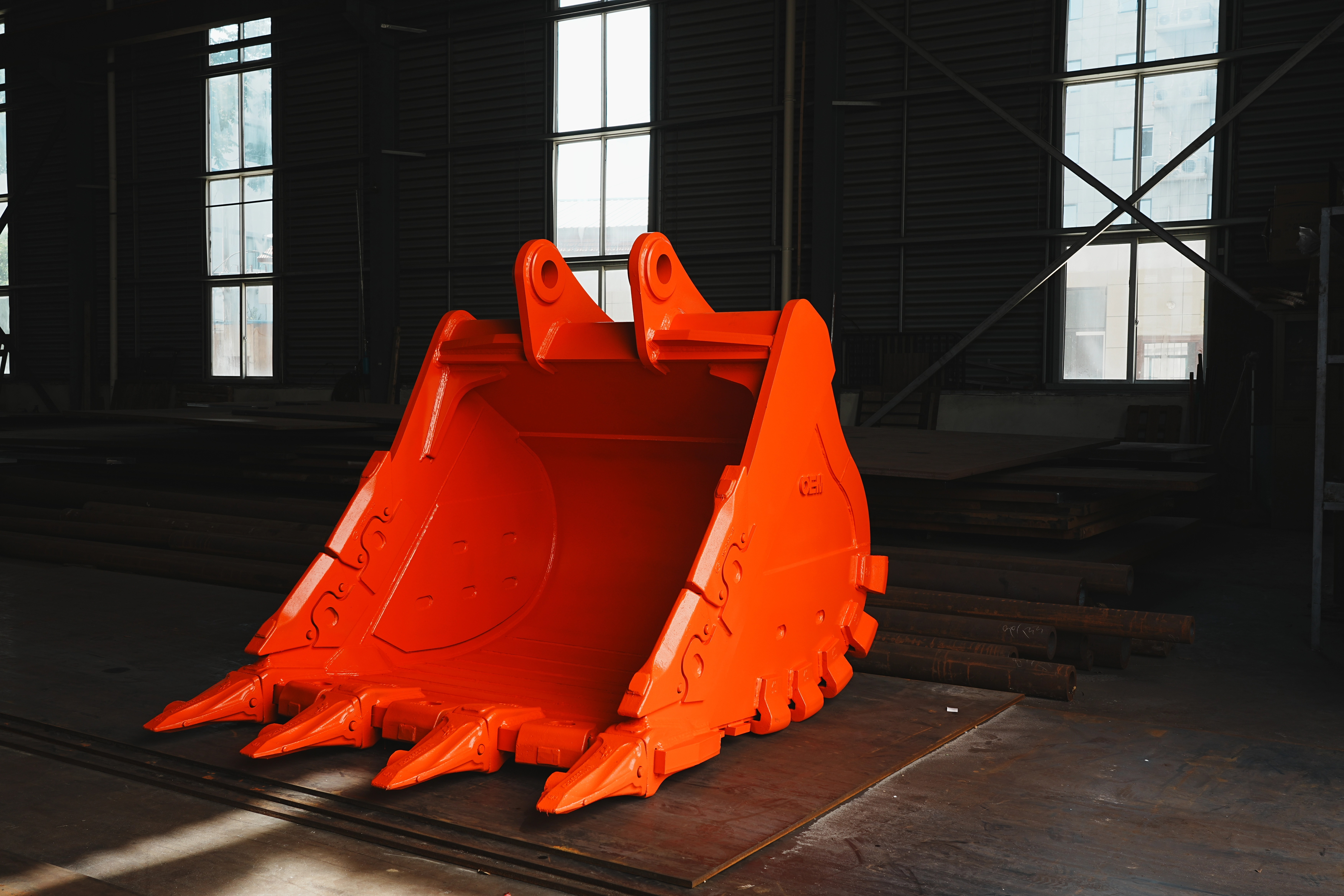
Bucket choice directly affects performance, control, and overall efficiency when operating Excavator Equipment in compact environments. A mini excavator relies heavily on the bucket to translate hydraulic power into productive work. General purpose buckets handle loose soil, sand, and mixed materials efficiently, making them suitable for everyday digging and backfilling.
Mini buckets focus on accuracy, which matters in narrow trenches, utility lines, and foundation edges where mistakes cost time and money. Skeleton buckets help separate debris from soil during cleanup, recycling, and landscaping tasks, keeping sites clean and organized.
The right bucket also improves machine balance. A bucket matched to material type and job size allows smoother movements and reduces operator fatigue. Contractors often notice better control and less wear when bucket size and weight stay aligned with the excavator’s capacity.
Bucket selection usually depends on:
● Material type and density, such as soil, gravel, or demolition debris
● Required finish quality, especially in residential or visible areas
● Space available for operation, including trench width and access limits
Attachments That Increase Jobsite Productivity
Attachments transform a mini excavator from a single-purpose machine into a flexible jobsite solution. Grab buckets handle irregular materials like rocks, scrap, and demolition waste, improving safety and control during loading and sorting.
Rippers break compacted soil, frozen ground, or roots before digging, reducing strain on buckets and hydraulic systems. Quick couplers allow operators to switch tools quickly, which matters on projects involving trenching, cleanup, and material handling in the same workday.
Attachments also help teams work smarter. Instead of bringing multiple machines, one mini excavator can complete several stages of a project. That flexibility reduces transport needs, lowers fuel use, and keeps workflows simple. For contractors managing tight schedules, this versatility adds measurable value.
Attachment Type | Practical Benefit on Site |
Grab Bucket | Secure handling of debris and scrap |
Ripper | Efficient penetration of hard ground |
Quick Coupler | Faster tool changes, less downtime |
Using the right buckets and attachments allows mini excavators to adapt easily across landscaping, utilities, and confined construction work while maintaining control, efficiency, and consistent performance.
Conclusion
A mini excavator suits projects needing precision, access, and efficiency across landscaping, utilities, and urban sites. Choosing the right Mini Excavator helps reduce surface damage and control costs while improving workflow. YF Bucket Machinery adds value through durable buckets and attachments designed for flexibility and long service life, helping operators complete diverse tasks accurately and reliably.
FAQ
Q: What types of projects are best for a mini excavator?
A: Mini excavators suit landscaping, utilities, and renovation jobs where Excavator Equipment needs precision and easy access.
Q: How does a mini excavator compare to standard Excavator Equipment?
A: It trades heavy power for maneuverability, lower weight, and better control on small sites.
Q: Why is Excavator Equipment choice critical in urban projects?
A: Proper Excavator Equipment reduces surface damage, improves safety, and keeps work efficient in tight spaces.
Q: How do buckets and attachments affect mini excavator performance?
A: They expand Excavator Equipment capabilities, supporting digging, grabbing, ripping, and fast task changes.
Q: Is a mini excavator economical for short-term or small jobs?
A: Yes, it lowers fuel, transport, and operating costs while maintaining reliable jobsite productivity.


